


Kalametiya Bird Sanctuary
Where the art of birdwatching meets the rhythm of the lagoon one complete journey through Sri Lanka's oldest coastal sanctuary.
KALAMETIYA BIRD SANCTUARY
A Hidden Wetland Paradise of Mangroves & Birdlife
Kalametiya Sanctuary is a calm coastal lagoon ecosystem where mangroves, mudflats, and open water create a safe haven for resident and migratory birds. Explore it respectfully with an eco-first approach.
1938
Protected Wetland Since
700+
Hectares
6
Habitat Zones
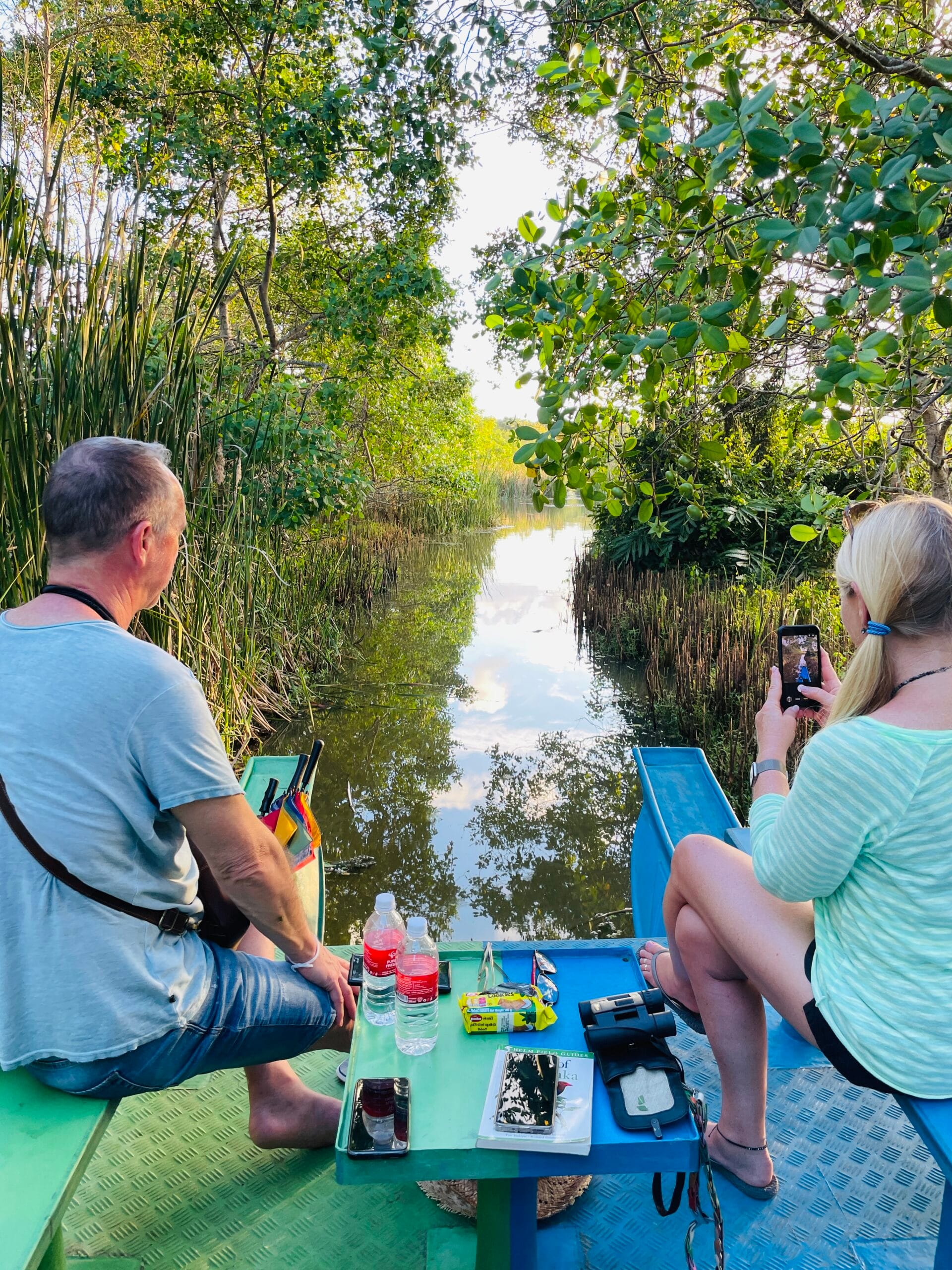
Quiet waters • Mangrove edges • Golden-hour views
What is Kalametiya Sanctuary?
Kalametiya Bird Sanctuary is a protected coastal wetland located on Sri Lanka's southeastern coast in the Hambantota district. Encompassing brackish lagoons, mangrove forests, and surrounding scrub jungle, it is one of the island's most ecologically significant wildlife refuges and far less crowded than the nearby Bundala or Yala National Parks. The sanctuary is best explored by traditional silent paddle boat at dawn, where the lagoon reveals an extraordinary diversity of birdlife, reptiles, and mammals in their natural habitat.
📍 Location
Southern Sri Lanka
🌿 Ecosystem
Coastal lagoon wetland
🧭 Habitats
Mangroves • Mudflats • Open water
⏰ Best Time
Early morning / late afternoon
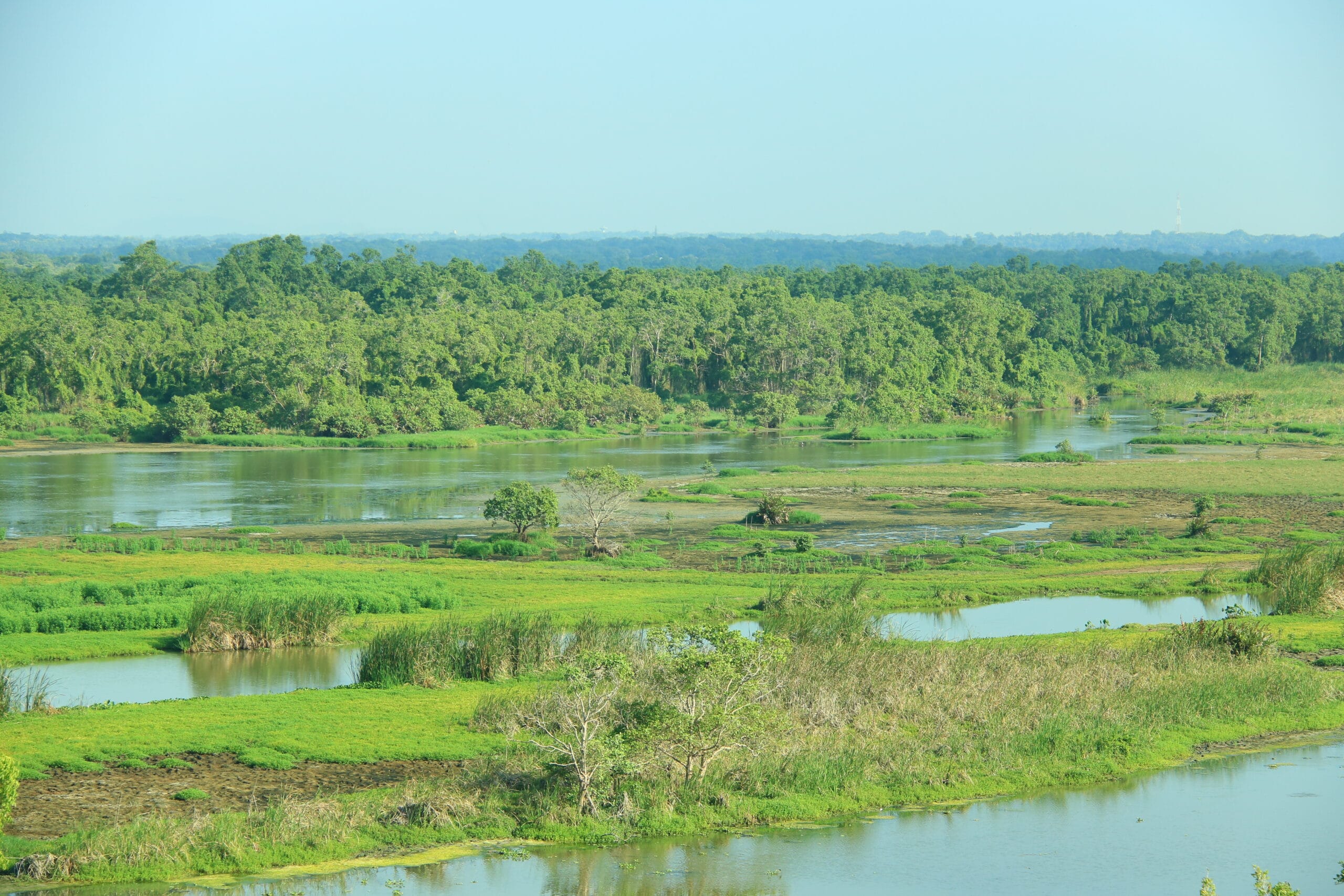
Nearly 90 Years of Conservation Heritage
Kalametiya holds the distinction of being Sri Lanka's oldest bird sanctuary, first officially declared in 1938 making its conservation heritage nearly nine decades old. Though its protection was interrupted and later reinstated, the wetland has endured as a vital refuge for wildlife, a testament to its irreplaceable ecological value on the island's southern coast.
🌿 A Legacy of Conservation Since 1938
One of Sri Lanka's Oldest Wetland Sanctuaries
━━━━━━━━━━━━━━━━━━━━━━━━━━━━━━━━━━━━━━
1938 ●────────●────────●────────● Today
Protection Growth Research
━━━━━━━━━━━━━━━━━━━━━━━━━━━━━━━━━━━━━━
━━━━━━━━━━━━━━━━━━━━━━━━━━━━━━━━━━━━━━
1938 ●────────●────────●────────● Today
Protection Growth Research
━━━━━━━━━━━━━━━━━━━━━━━━━━━━━━━━━━━━━━
🏛️ A Legacy of Protection
The sanctuary's history reflects a classic tension between wildlife conservation and the needs of local communities. Declared in 1938, abolished in 1946 due to public opposition from fishing and farming villages, and finally redeclared in 1984 under the Fauna and Flora Protection Ordinance, Kalametiya's path to permanent protection was hard-won.
Today it stands as a model of how conservation boundaries can be redrawn to balance nature and people its reduced 700-hectare footprint preserving the most critical wetland habitats while respecting the surrounding communities.
From Traditional Fishing Grounds to Protected Wetland
Long before it was a sanctuary, the Kalametiya lagoon and its surrounding lands were active fishing grounds for local villages. When the original 2,500-hectare declaration in 1938 restricted access to these waters, the communities pushed back and successfully had the status revoked by 1946.
The redeclaration in 1984 acknowledged this history, drawing a smaller, more thoughtful boundary that honoured both ecological necessity and the generations of fishermen whose lives are tied to these waters.
A Wetland of Remarkable Proportions
At its original declaration in 1938, Kalametiya covered an extraordinary 2,500 hectares (approximately 6,177 acres), encompassing both the Kalametiya and Lunama saltwater lagoons, extensive mangrove swamps, and surrounding scrub jungles. Even at its current protected size of 700 hectares (about 1,730 acres), the sanctuary remains a vast and biodiverse landscape home to over 150 bird species, 38 reptile species, and 20 mammal species, with 54 migratory bird species arriving each year between November and March from as far as Siberia and Scandinavia.
≈ 700 Hectares
150+ Bird Species
Multiple Habitats

What Makes This Size Important?
A wetland of this scale creates a complete ecological network rather than a single habitat. Birds can feed in open lagoons, nest within mangroves, shelter in reed beds, and rest in surrounding grasslands without leaving the sanctuary.

This interconnected landscape supports:
- Large populations of resident waterbirds
- Seasonal migratory species arriving from Europe and Asia
- Reptiles, mammals, fish and amphibians
- Healthy mangrove ecosystems that protect the coastline and support fisheries
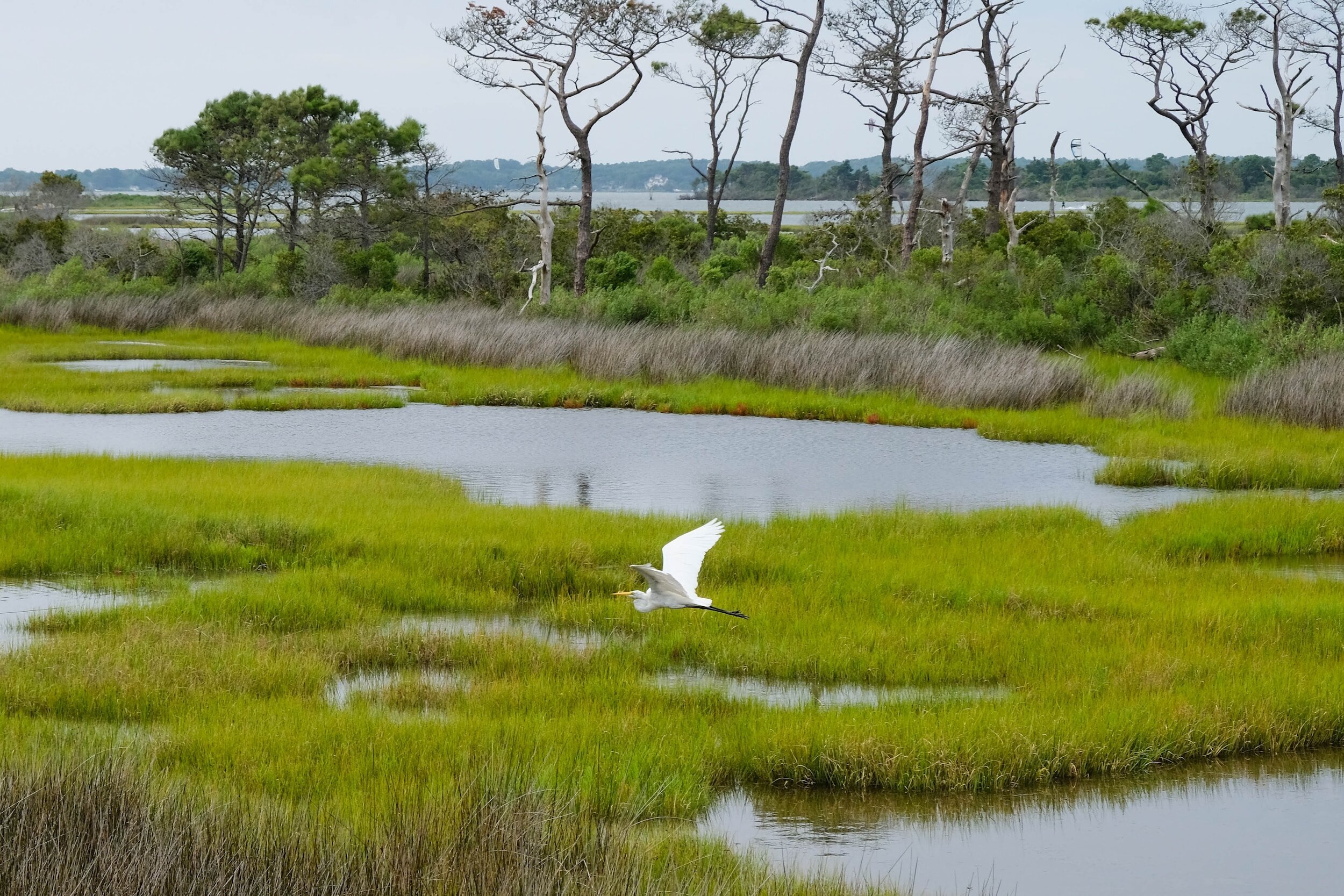
🌿 700 Hectares is Equivalent to:
- Approximately 1,730 acres of protected coastal wetland
- Roughly 980 international football pitches laid side by side
- About 3.5 times the size of Monaco
- Nearly the size of 700 Galle Face Greens (Sri Lanka's most iconic urban esplanade)
- Approximately twice the size of Central Park, New York City (which covers 341 hectares)
- Roughly the size of 10,000 traditional Sri Lankan paddy fields (an average field being around 0.07 hectares)
🚣
Explore by Boat
Glide through quiet waterways and mangrove channels stretching across the wetland system.
🦅
Birdwatch Across Diverse Habitats
Observe different bird communities within lagoons, reed beds, marshes and coastal edges.
🌿
Discover Hidden Ecosystems
Every section of the sanctuary reveals a different landscape, making each visit unique.
📸
Endless Nature Photography Opportunities
The sheer size of Kalametiya provides constantly changing scenery, wildlife encounters, and spectacular sunrise views.
Why This Wetland Matters
Wetlands like Kalametiya act as natural filters, nursery grounds for aquatic life, and safe routes for migrating birds. Protecting this habitat supports biodiversity, shoreline stability, and local ecological balance.
Natural water filtration
Wetlands help improve water quality by filtering sediments and pollutants.
Natural water filtration
Wetlands help improve water quality by filtering sediments and pollutants.
Natural water filtration
Wetlands help improve water quality by filtering sediments and pollutants.
Natural water filtration
Wetlands help improve water quality by filtering sediments and pollutants.
Kalametiya is far more than a beautiful lagoon it's a living ecosystem that supports an extraordinary diversity of wildlife and protects the delicate balance between land and sea.
🦩 A Haven for Wildlife
Home to hundreds of resident and migratory bird species, Kalametiya provides vital feeding, nesting, and breeding grounds for wildlife throughout the year. Every season brings new species and unforgettable wildlife encounters.
🌿 Nature's Coastal Shield
The sanctuary's mangroves and wetlands act as a natural barrier against coastal erosion, storms, and flooding while helping maintain water quality and ecological stability for surrounding communities.
🌎 A Global Conservation Asset
As one of Sri Lanka's most valuable coastal wetlands, Kalametiya contributes to international bird migration routes and supports species that depend on protected habitats for survival.
🛶 Every Visit Helps Protect It
Responsible eco-tourism creates awareness and contributes to the long-term preservation of this unique sanctuary. By exploring Kalametiya respectfully, visitors become part of its conservation story.
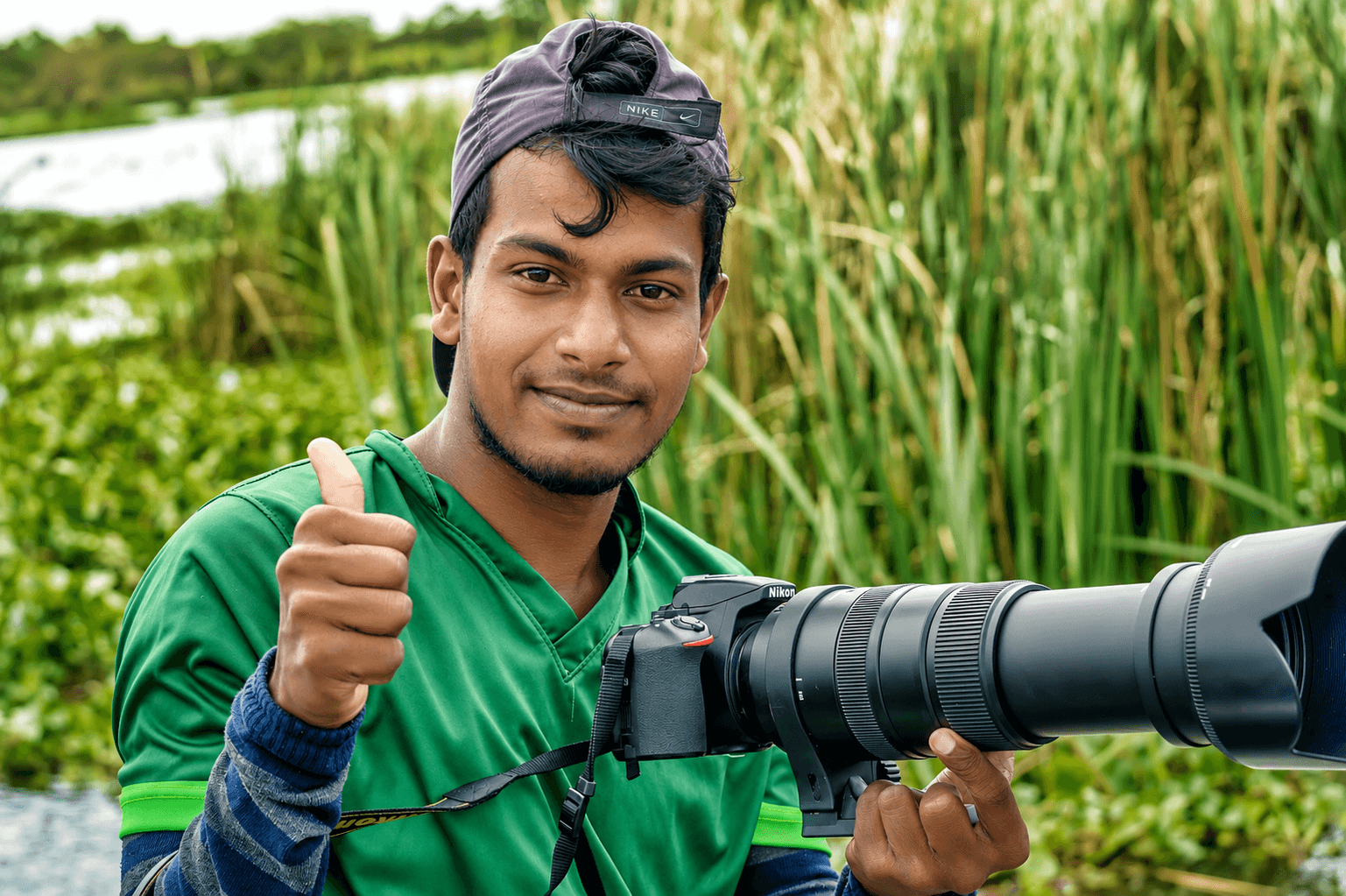
Photography Opportunities
Still waters and open landscapes provide excellent conditions for wildlife photography. Morning light reflections and bird silhouettes create stunning natural compositions.
- Best shots: reflections, silhouettes, feeding behavior
- Soft light: early morning / late afternoon
- Keep distance use zoom instead of approaching
Birdlife Highlights
From elegant herons to fast kingfishers, Kalametiya Bird Sanctuary offers rewarding sightings in a calm lagoon environment. Seasonal migration can bring extra diversity and rare visitors.
🦜
Bird Species Recorded
🛫
Migratory Visitors
🌿
Year Round
Birdwatching Season
🏞️
Multiple Habitats
Supporting Diverse Species
A Wetland Sanctuary Alive With Wings
From resident kingfishers and herons to seasonal migratory visitors arriving from distant continents, Kalametiya offers some of the richest birdwatching opportunities along Sri Lanka's southern coastline.
📷 Sunrise Photography
🛶 Boat-Level Viewing
🌿 Mangrove Backdrops
🦅 Rare Species Encounters
- Small Minivet
- Chestnut-Headed Bee-eater
- Black-Hooded Oriole
- Common Kingfisher
- Brown-Headed Barbet
- Cattle Egret
- Oriental Honey Buzzard
- Painted Stork
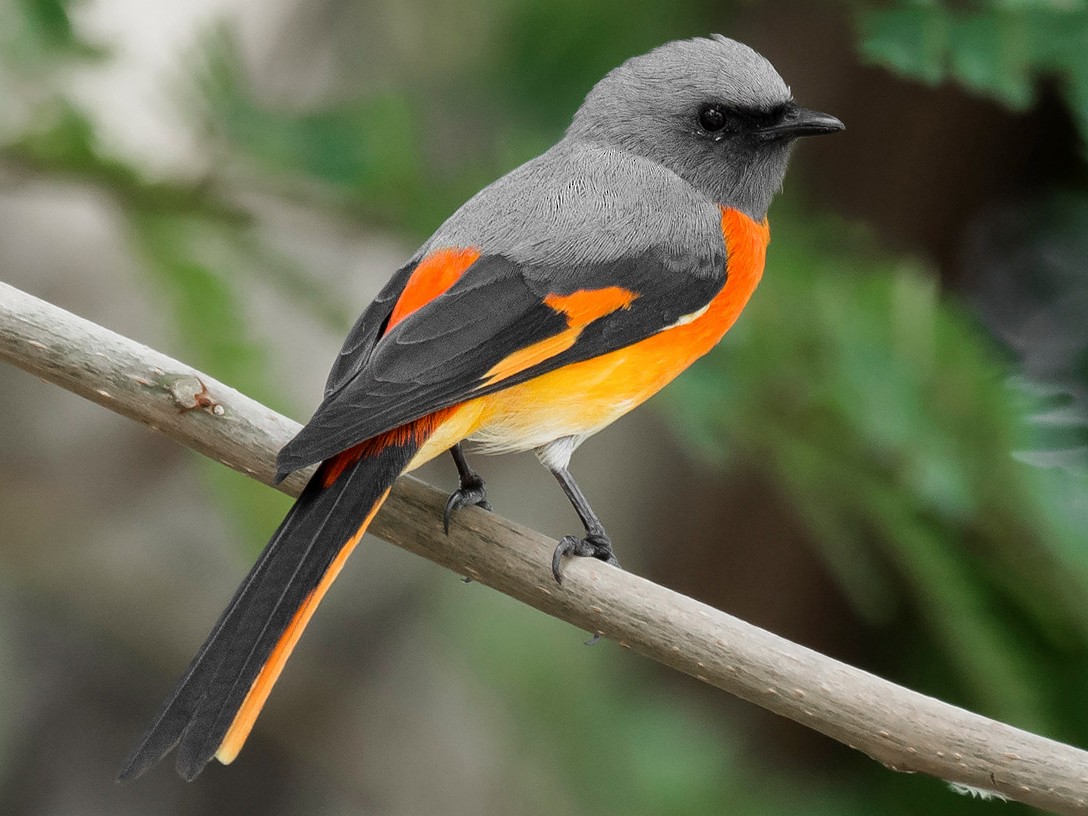
Small Minivet
Habitat: Tree canopy & woodland edge
Style: Active canopy forager
These colorful birds move quickly through foliage in small flocks searching for insects.
- Look for: Bright orange or yellow flashes among leaves
- Tip: Listen for soft calls and follow movement high in trees
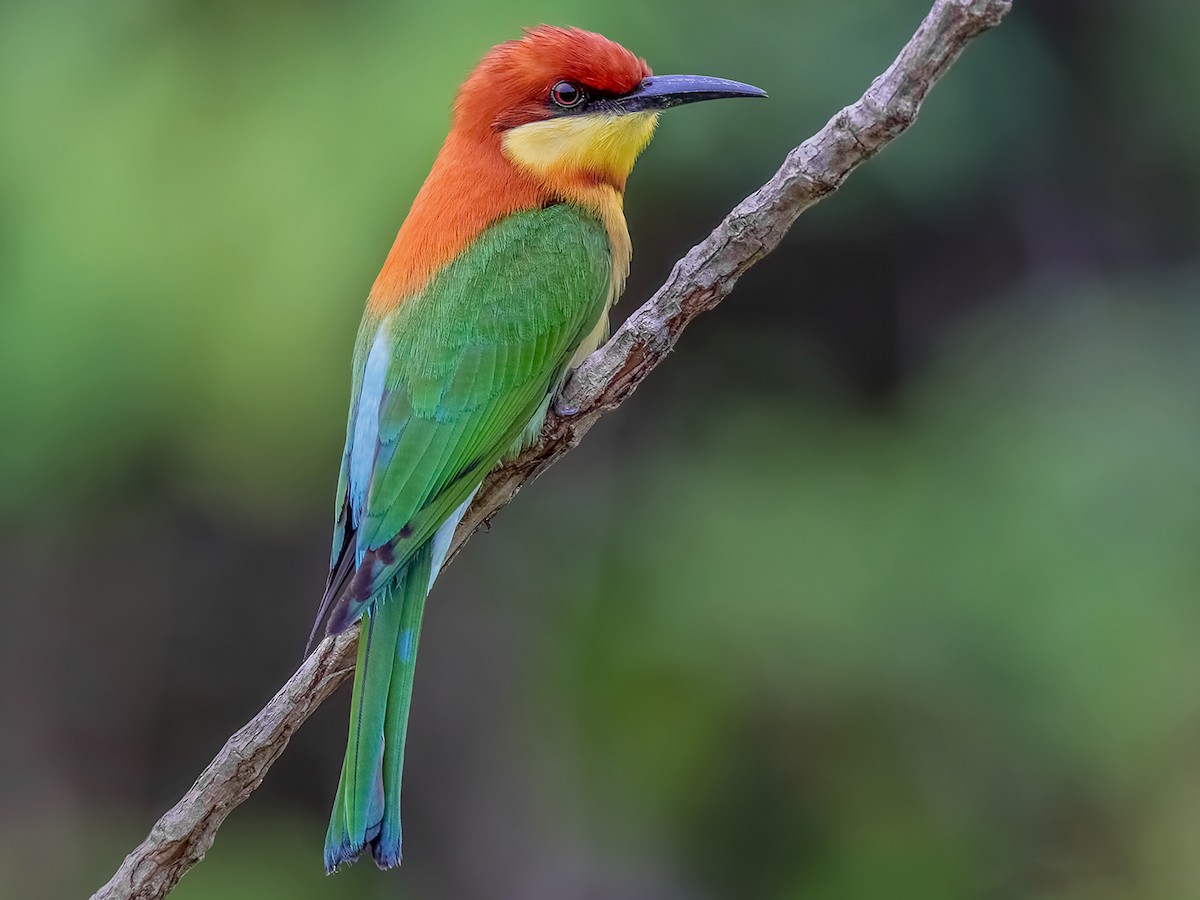
Chestnut-Headed Bee-eater
Habitat: Open scrub & lagoon edges
Style: Agile aerial hunter
Graceful flyers that catch insects mid-air. Often perch on exposed branches before darting out.
- Look for: Green body, chestnut head, long central tail feathers
- Tip: Scan wires and dead branches near open water
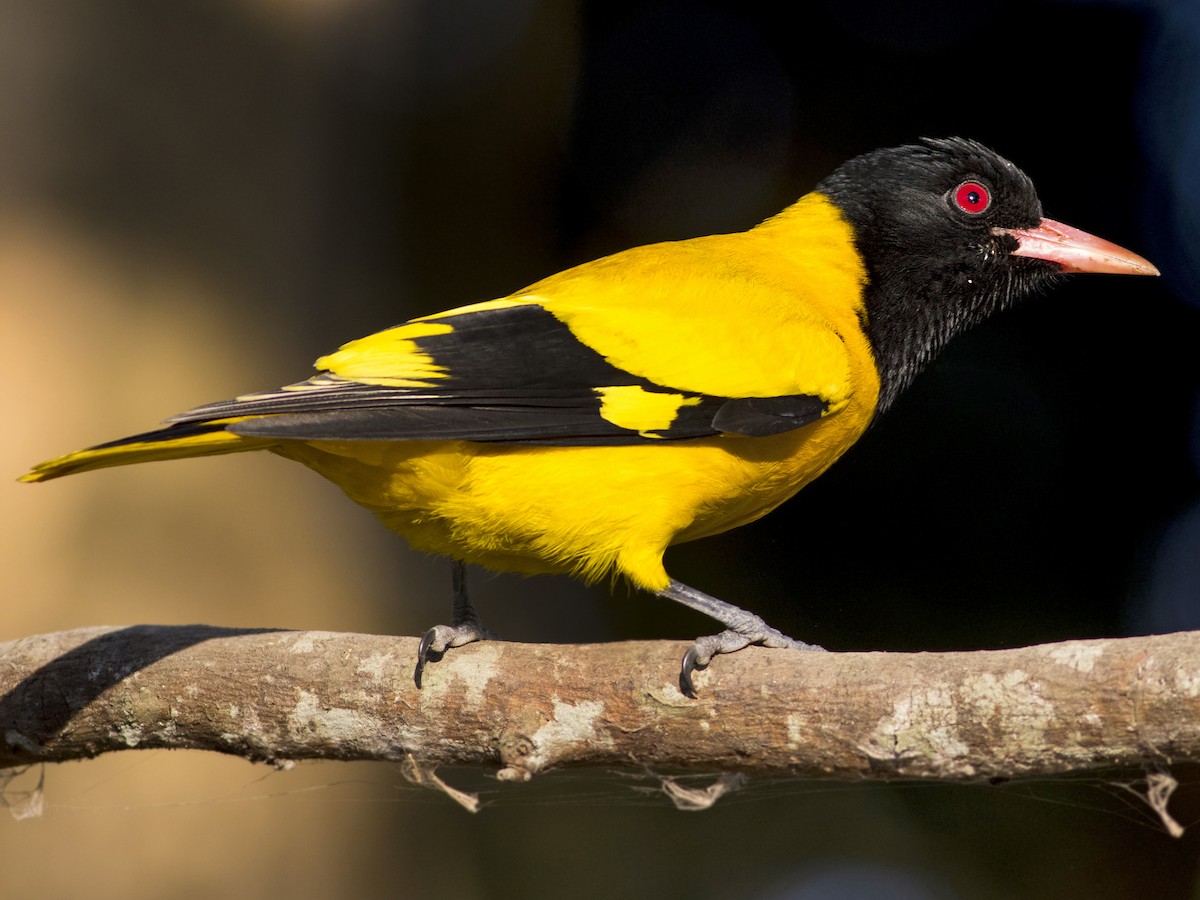
Black-Hooded Oriole
Habitat: Tall trees & fruiting groves
Style: Calm canopy feeder
Striking yellow birds known for their clear whistling song.
- Look for: Golden body with black hood and red bill
- Tip: Watch fruiting trees where they feed quietly
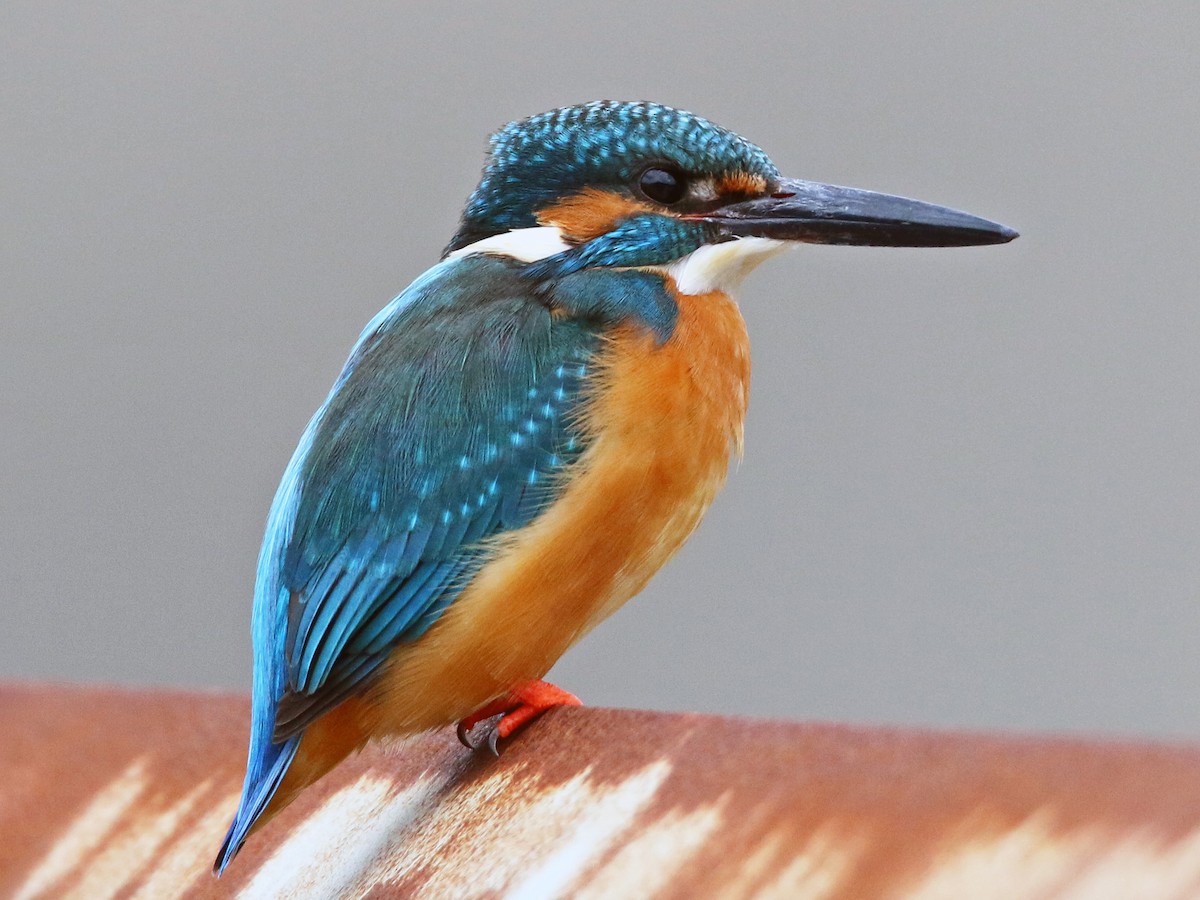
Common Kingfisher
Habitat: Still lagoon edges
Style: Lightning dive hunter
A brilliant flash of blue that darts low over water before plunging for fish.
- Look for: Electric blue streak skimming the surface
- Tip: Stay quiet near shaded banks
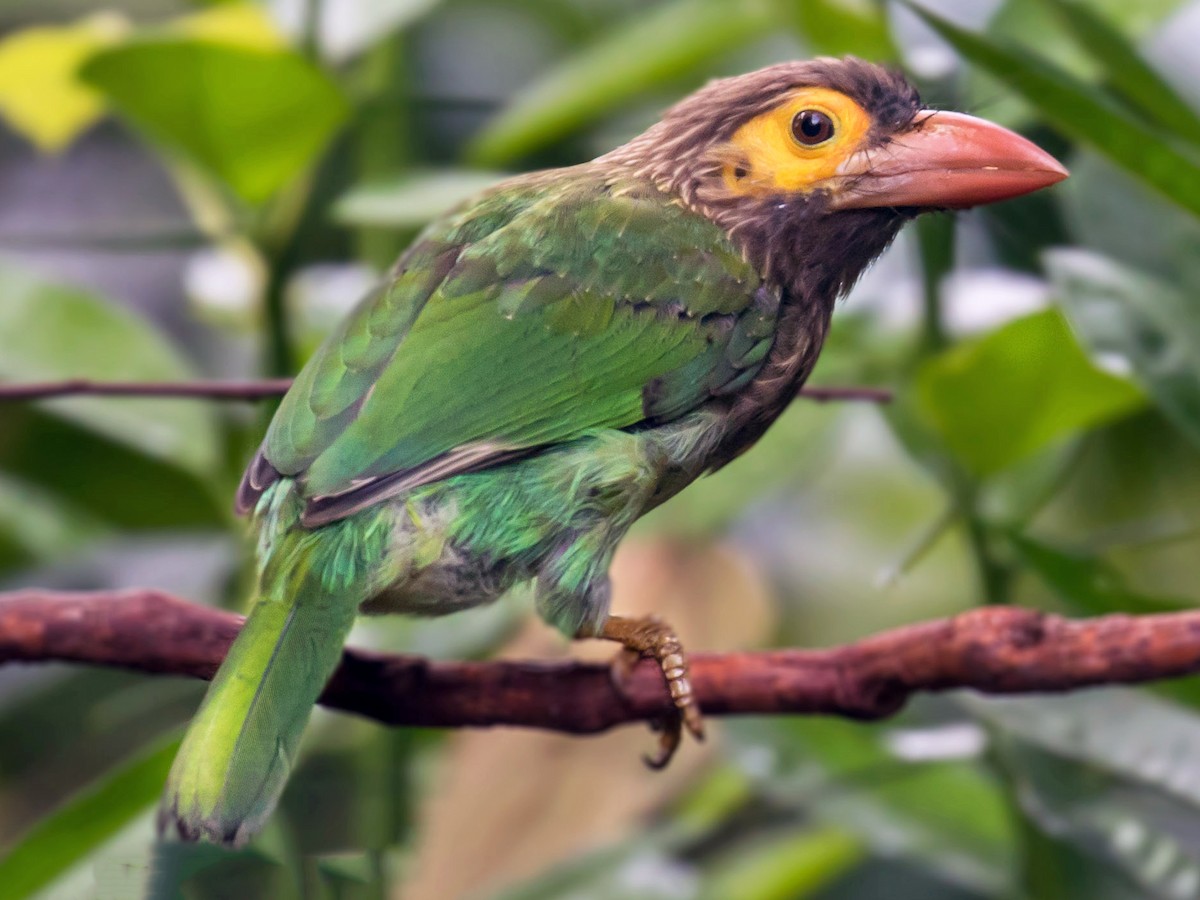
Brown-Headed Barbet
Habitat: Fruit trees & woodland
Style: Still fruit feeder
Often heard before seen, repeating a steady “tuk-tuk” call.
- Look for: Green body with brown head perched quietly
- Tip: Follow the call to locate it in the canopy
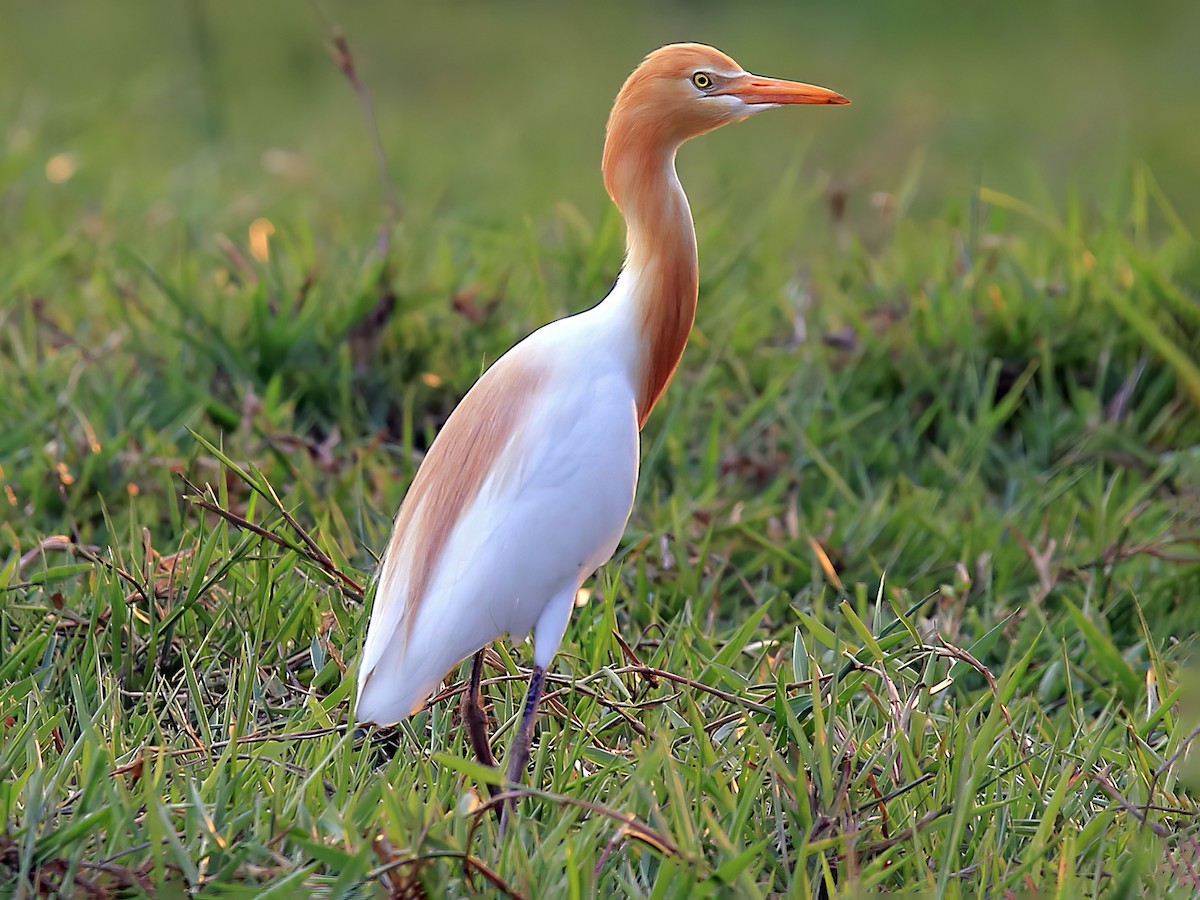
Cattle Egret
Habitat: Grasslands & grazing fields
Style: Ground stalker
Often seen walking beside cattle catching insects stirred from the grass.
- Look for: White bird following livestock
- Tip: Best after rain when insects are active
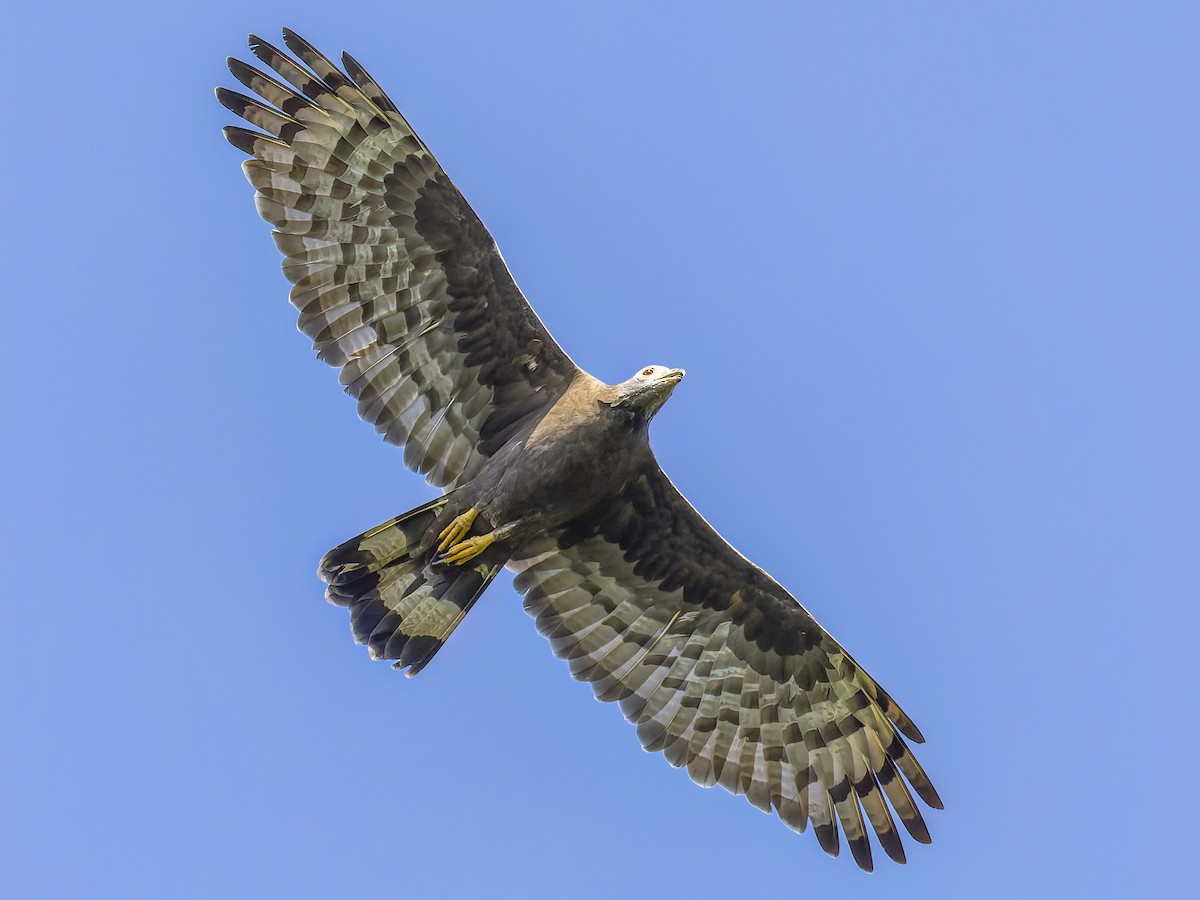
Oriental Honey Buzzard
Habitat: Sky above forest & scrub
Style: High soaring raptor
A slender raptor that rides thermals while searching for bee nests and larvae.
- Look for: Small head and long tail silhouette
- Tip: Scan high sky once air begins to warm
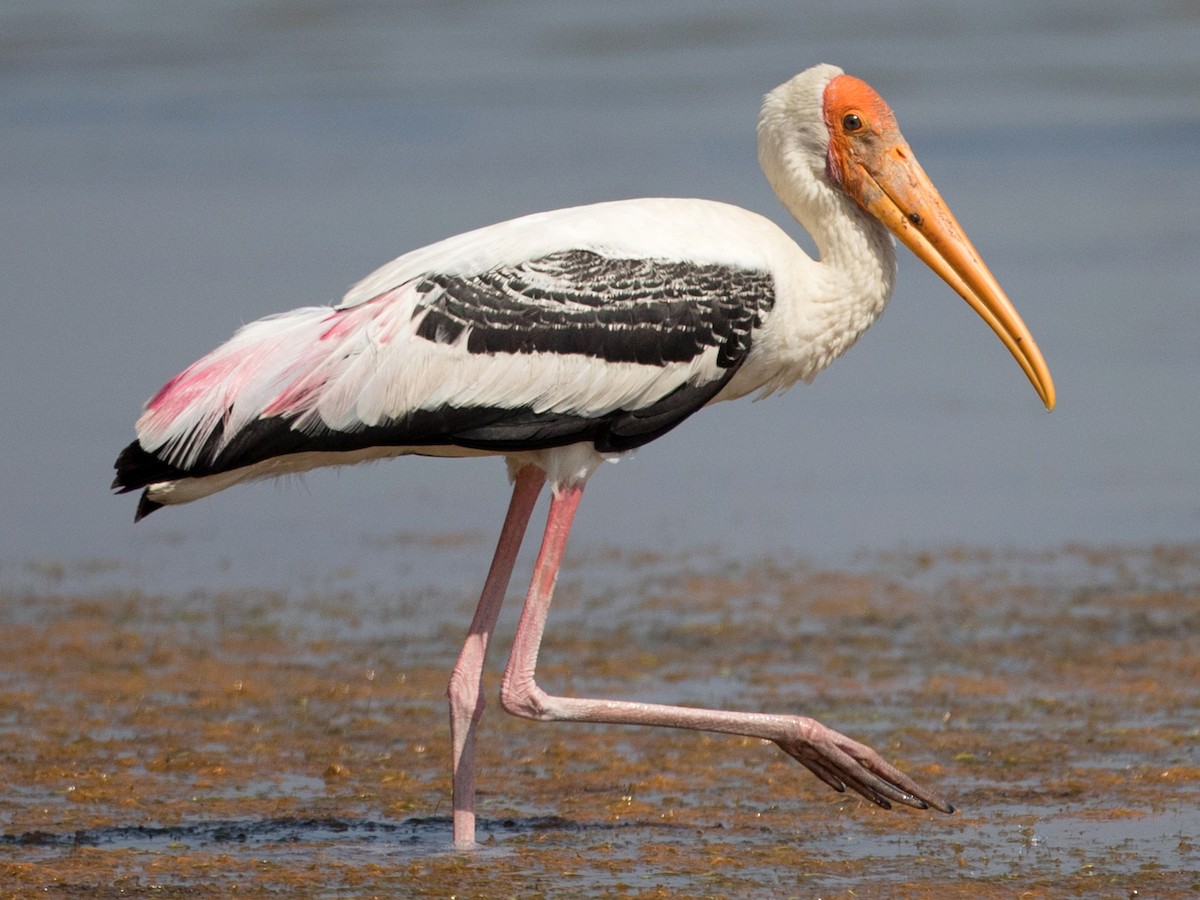
Painted Stork
Habitat: Shallow wetlands
Style: Slow wading feeder
Elegant waders that sweep their bills side-to-side in shallow water.
- Look for: Pink wing patches and long yellow bill
- Tip: Check shallow pools and mudflats
A Gateway For Migratory Birds
Every migration season, Kalametiya becomes a temporary refuge for birds travelling thousands of kilometres across continents. The sanctuary's lagoons, mangroves and marshlands provide essential feeding and resting grounds during these remarkable journeys.
🌏 Northern Asia
🌏 Europe
🌏 Central Asia
📍 Kalametiya Wetlands
The Habitats of Kalametiya — A Living Mosaic of Coastal Wilderness
List all six habitat zones with descriptions this is the "A Sanctuary Built From Multiple Worlds" section. Each zone (dense mangrove forest, mangrove tunnels, open lagoon water, drier grasslands and scrub, rocky outcrops, rich marsh areas) deserves its own card or bullet with a short description.
Lagoon edges
Where calmer water meets vegetation often good for perching birds and quick feeding activity.
What to look for: Perches over water, small splashes, low flights along the bank.
Photography tip: Use soft light and watch reflections; keep shutter ready for sudden dives.
Mangroves
Dense roots and canopy pockets can shelter birds from wind and heat, especially in quieter moments.
What to look for: Movement in shade, calls from canopy, birds crossing gaps.
Photography tip: Expose for faces/eye highlights; consider slightly higher ISO in shade.
Mudflats / shallows
Wide feeding zones for waders activity changes with water level and disturbance.
What to look for: Slow foraging lines, probing bills, mixed-species gatherings.
Photography tip: Stay low and steady; use longer focal length to keep respectful distance.
Scrub / tree patches
Edges and fruiting trees can attract colorful passerines and insect hunters.
What to look for: Quick canopy hops, aerial insect chases, brief perches.
Photography tip: Follow the sound, pre-focus on a perch, and shoot short bursts.
🌿 Mangrove Forests — The Living Architecture of the Coast
The mangrove belts of Kalametiya stand as the sanctuary’s ecological backbone. Rising from brackish waters with intricate root systems, these forests form a natural labyrinth that shelters juvenile fish, crustaceans, and countless invertebrates. Their dense canopy provides nesting and roosting grounds for birds while acting as a powerful natural buffer against coastal erosion and storm surges. In the soft interplay of tides and roots, life is continuously nurtured and renewed.
🌾 Salt Marshes — Where Land and Sea Merge
Bordering the lagoon, the salt marshes create a transitional world between freshwater and the ocean. These open, sun-drenched plains are rich in halophytic vegetation uniquely adapted to saline conditions. During migratory seasons, they transform into critical feeding grounds for waders and shorebirds, offering an ever-changing stage where delicate ecological interactions unfold with the rhythm of the tides.
💧 Lagoon Ecosystem — The Heart of Biodiversity
At the core of Kalametiya lies its expansive lagoon system, a dynamic body of water that breathes with the ocean through narrow channels. This aquatic sanctuary sustains fish populations, supports traditional livelihoods, and attracts a remarkable diversity of birdlife. Herons, egrets, kingfishers, and migratory visitors gather here in quiet abundance, making the lagoon a focal point of both ecological richness and visual serenity.
🌴 Coastal Sand Dunes & Scrublands — Nature’s Protective Edge
Beyond the wetlands, coastal dunes and scrub forests form a resilient frontier between sea and land. These landscapes are shaped by wind, salt, and time, hosting hardy vegetation that stabilizes the coastline and prevents inland erosion. They also provide shelter for small mammals, reptiles, and ground-nesting birds, adding yet another layer to the sanctuary’s ecological complexity.
🐦 Interconnected Life — A Seamless Ecological Symphony
What makes Kalametiya truly extraordinary is not any single habitat, but the way they function as one interconnected system. Birds move fluidly between mangroves, marshes, and lagoon waters; fish spawn in sheltered shallows and migrate outward; and tides rhythmically bind all habitats together. This seamless integration creates a sanctuary that is not static, but alive constantly evolving with nature’s rhythm.
Wildlife Beyond Birds — Mammals & Reptiles
Discover the hidden side of Kalametiya’s wilderness, where mammals, reptiles, and countless wetland creatures thrive among mangroves, lagoons, forests, and coastal habitats.
🐾
Mammals of Kalametiya
The sanctuary's forests, grasslands, and wetlands provide shelter for several mammal species. Visitors may encounter monkeys, civets, mongooses, jackals, and even the elusive fishing cat that depends on healthy wetland habitats.
🦎
Reptile Diversity
Warm tropical conditions and abundant waterways create ideal habitats for reptiles. Monitor lizards, freshwater turtles, snakes, skinks, and geckos are commonly observed throughout the sanctuary.
🌿
Healthy Wetland Ecosystem
Mammals and reptiles play essential ecological roles including seed dispersal, insect control, and maintaining balance within the sanctuary's interconnected food web.
Notable Mammal Species
Keep your eyes open during boat safaris and nature walks for these fascinating residents.
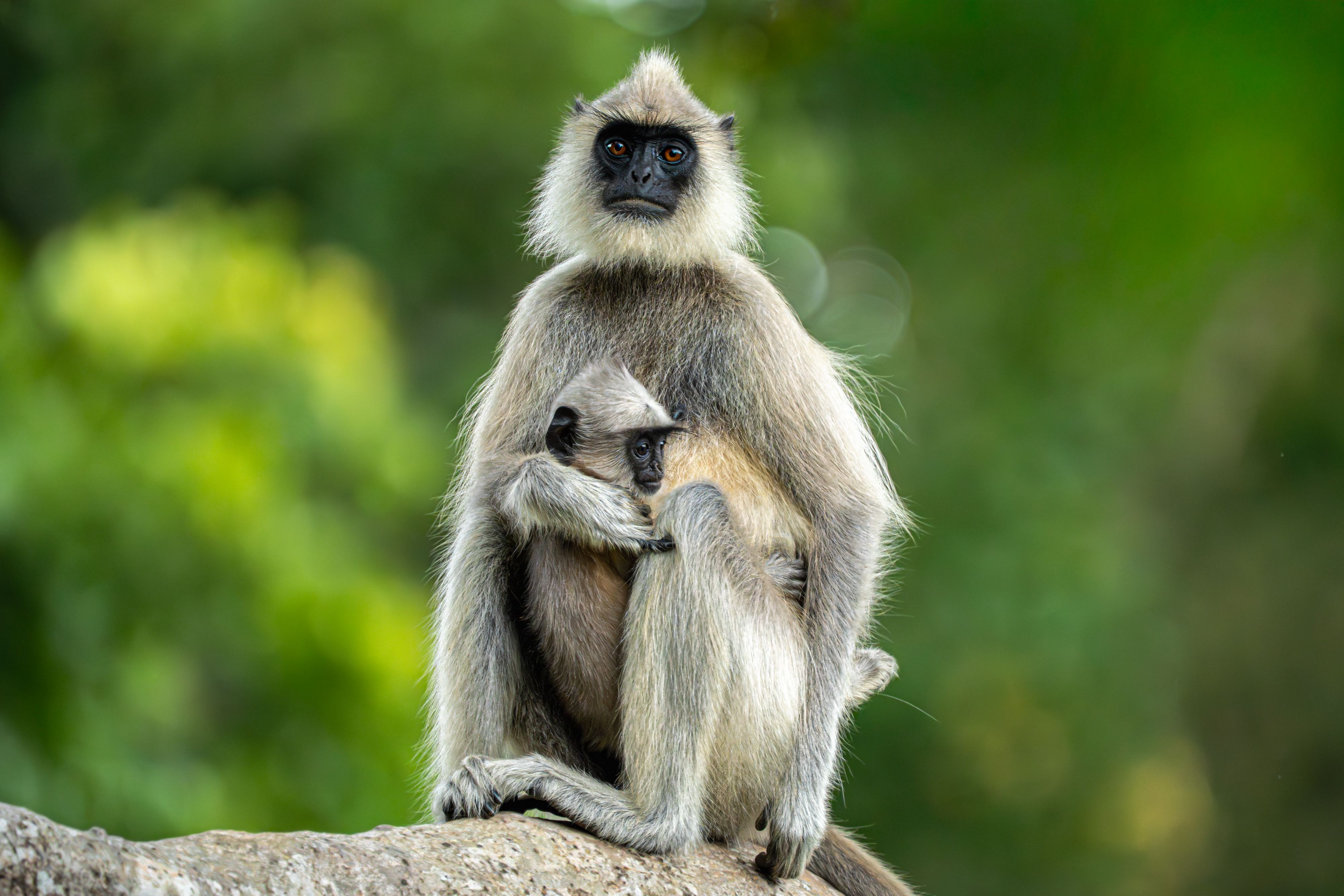
Black-Faced Grey Langur
A Sri Lankan leaf-eating monkey with black face and grey fur that lives in forest treetops.
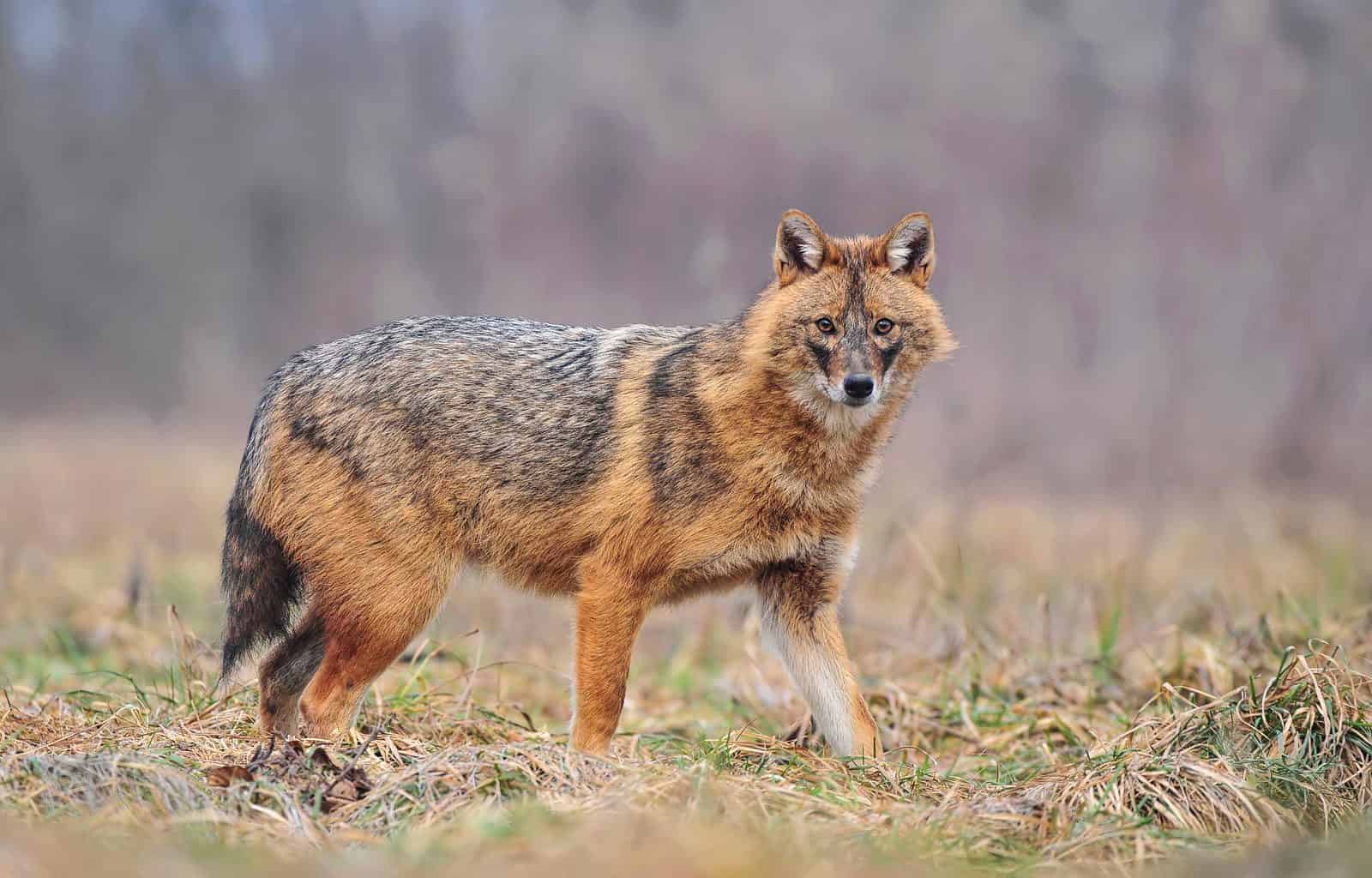
Golden Jackal
A small wild carnivore found in Sri Lanka that hunts and scavenges in open forests and grasslands.
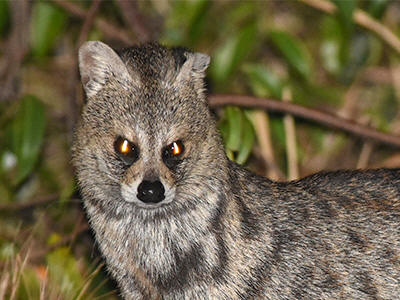
Small Indian Civet
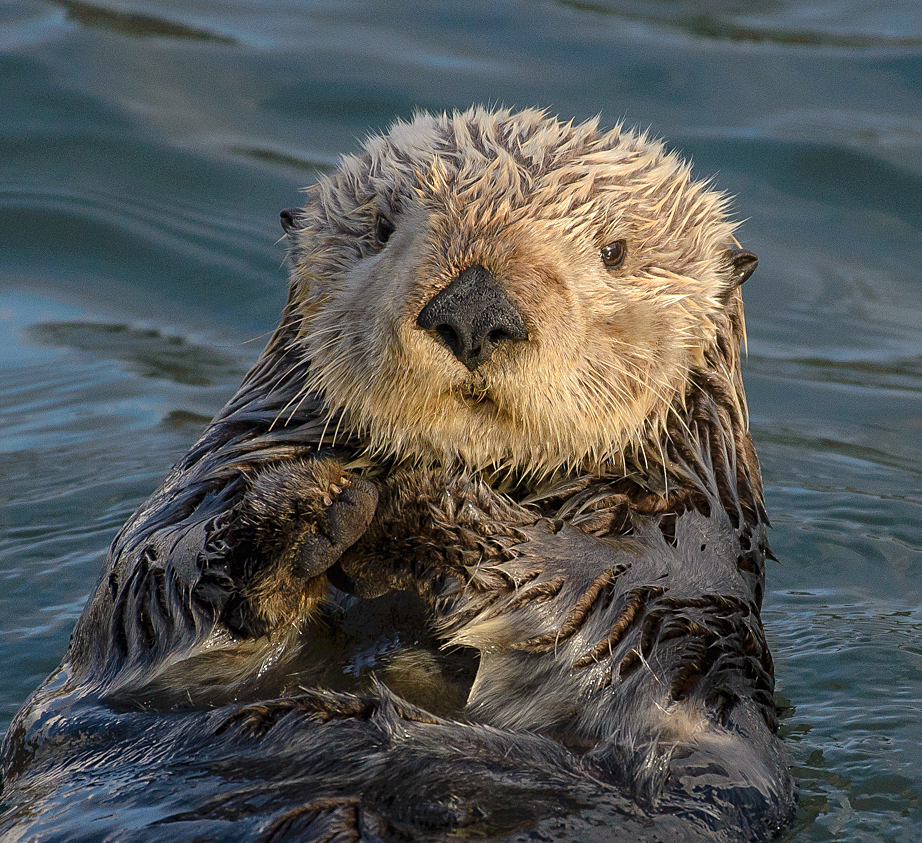
Otter

Giant Squirrel

Toque Macaque
Rare Wildlife Highlight
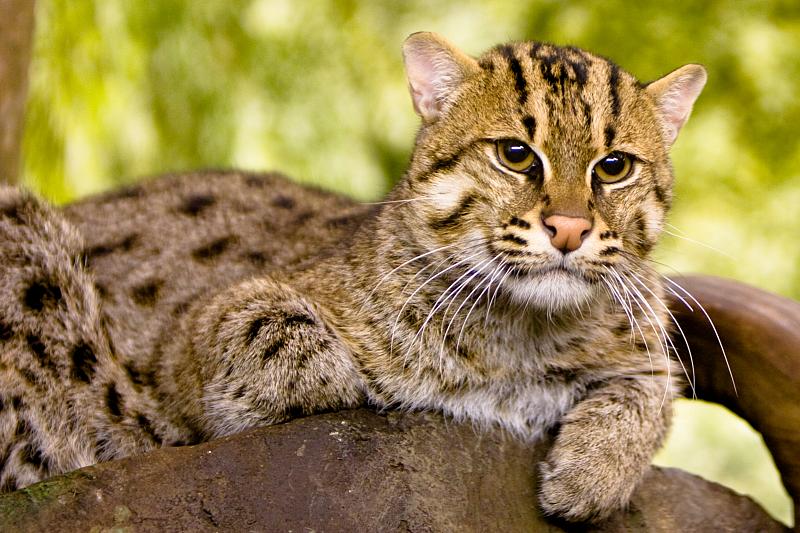
The Fishing Cat
The Fishing Cat (Prionailurus viverrinus) a rare, medium-sized wild cat adapted for wetland hunting has been recorded at Kalametiya.
Categorised as Vulnerable on the IUCN Red List, it hunts the wetland edges by night using its partially webbed paws.
Kalametiya is one of the very few accessible locations in Sri Lanka where this extraordinary animal has a recorded presence.
🌙 Nocturnal
🌿 Wetland Hunter
⚠️ Vulnerable
🇱🇰 Sri Lanka
Common Reptile Encounters
Reptiles thrive in Kalametiya's lagoons, marshes, and mangrove channels.

Freshwater Turtle
Aquatic reptiles found in Sri Lanka’s rivers, tanks, and wetlands, feeding on plants, insects, and small aquatic animals.

Garden Lizard
A common Sri Lankan garden reptile that changes color slightly and feeds on insects in trees and shrubs.

Skinks

Water Monitor
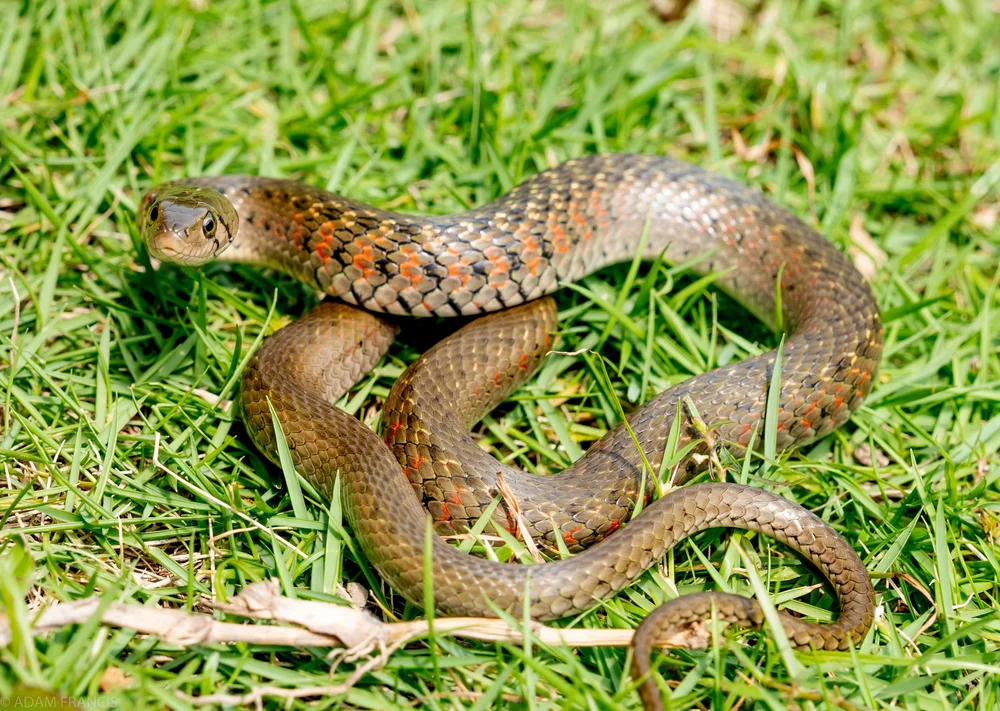
Checkered Keelback

Mugger Crocodile
Best Times & What to Bring
Light and activity can shift throughout the day. Choose a time that fits your pace sunrise calm, morning clarity, or late-afternoon glow.
Sunrise
Calm air and softer light can make movement easier to notice around reedbeds and lagoon edges. A gentle start is also great for listening to calls.
Morning
As light strengthens, you can scan scrub, treelines, and open water comfortably. This time often gives a good balance of visibility and walking comfort.
Late afternoon
Warm tones and long shadows can add color and texture nice for photography. As temperatures ease, some movement may pick up again.
Our Eco-Promise
Kalametiya Sanctuary is protected. Responsible tourism helps sustain wildlife habitats while supporting local communities through conservation-friendly livelihoods.
🤫 Silent Observation
We keep noise low and movement gentle to avoid disturbance.
🦢 Respectful Distance
Wildlife-first viewingno chasing, crowding, or baiting.
♻️ Leave No Trace
Zero litter approach everything leaves with us.
Location & Access
Kalametiya Sanctuary is accessible by road and ideal for visitors seeking quiet nature.
We recommend arriving early for the best conditions.
- Best arrival window: sunrise to early morning
- Bring water, hat, and sunscreen
- Wear neutral colors (avoid bright clothing)
🚗 Distance from Major Cities
| City | Distance | Approx. Travel Time |
|---|---|---|
| 🟢 Tangalle | 22 km | ~30 minutes |
| Hambantota | 40 km | ~45 minutes |
| Tissamaharama | 50 km | ~1 hour |
| Mirissa | 90 km | ~1.5 hours |
| Matara | 70 km | ~1.5 hours |
| Galle | 120 km | ~2 hours |
| Colombo | 220 km | ~3.5–4 hours |