Kalametiya Bird Sanctuary
Where the art of birdwatching meets the rhythm of the lagoon one complete journey through Sri Lanka's oldest coastal sanctuary.
KALAMETIYA BIRD SANCTUARY
A Hidden Wetland Paradise of Mangroves & Birdlife
Kalametiya Sanctuary is a calm coastal lagoon ecosystem where mangroves, mudflats, and open water create a safe haven for resident and migratory birds. Explore it respectfully with an eco-first approach.
🌿 Protected Wetland
Conservation-focused habitat for birds and aquatic life.
🐦 Bird Diversity
Resident species + seasonal migratory visitors
🌊 Lagoon + Mangroves
Balanced coastal ecosystem with rich feeding zones.
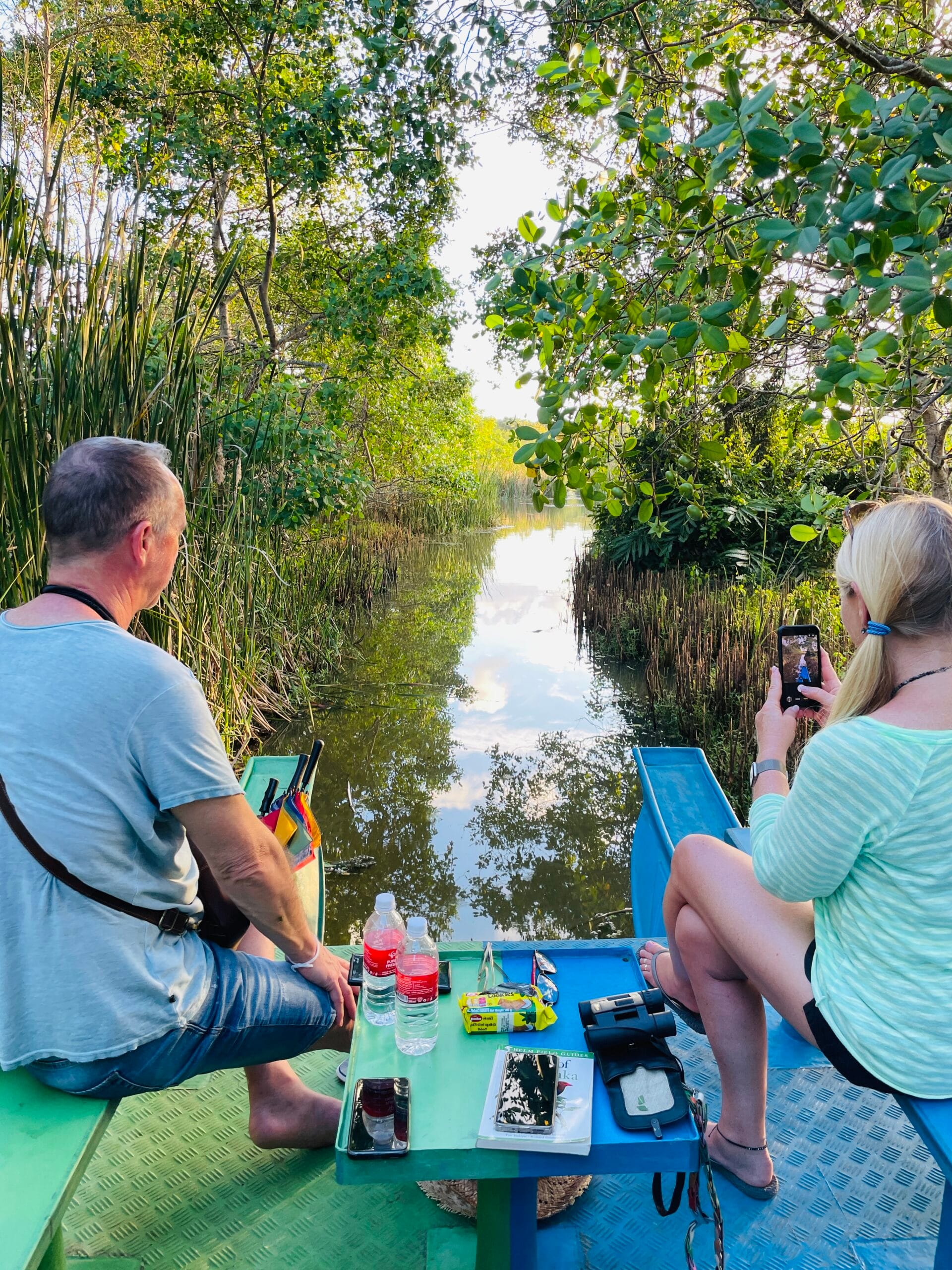
Quiet waters • Mangrove edges • Golden-hour views
What is Kalametiya Sanctuary?
Kalametiya Sanctuary is a protected coastal wetland system featuring a lagoon, mangrove forests, and feeding grounds that support diverse wildlife. This landscape is especially valuable for birds—offering shelter, nesting areas, and rich feeding zones.
📍 Location
Southern Sri Lanka
🌿 Ecosystem
Coastal lagoon wetland
🧭 Habitats
Mangroves • Mudflats • Open water
⏰ Best Time
Early morning / late afternoon
Why This Wetland Matters
Wetlands like Kalametiya act as natural filters, nursery grounds for aquatic life, and safe routes for migrating birds. Protecting this habitat supports biodiversity, shoreline stability, and local ecological balance.
Natural water filtration
Wetlands help improve water quality by filtering sediments and pollutants.
Natural water filtration
Wetlands help improve water quality by filtering sediments and pollutants.
Natural water filtration
Wetlands help improve water quality by filtering sediments and pollutants.
Natural water filtration
Wetlands help improve water quality by filtering sediments and pollutants.

Photography Opportunities
Still waters and open landscapes provide excellent conditions for wildlife photography. Morning light reflections and bird silhouettes create stunning natural compositions.
- Best shots: reflections, silhouettes, feeding behavior
- Soft light: early morning / late afternoon
- Keep distance—use zoom instead of approaching
Birdlife Highlights
From elegant herons to fast kingfishers, Kalametiya Bird Sanctuary offers rewarding sightings in a calm lagoon environment. Seasonal migration can bring extra diversity and rare visitors.
- Small Minivet
- Chestnut-Headed Bee-eater
- Black-Hooded Oriole
- Common Kingfisher
- Brown-Headed Barbet
- Cattle Egret
- Oriental Honey Buzzard
- Painted Stork
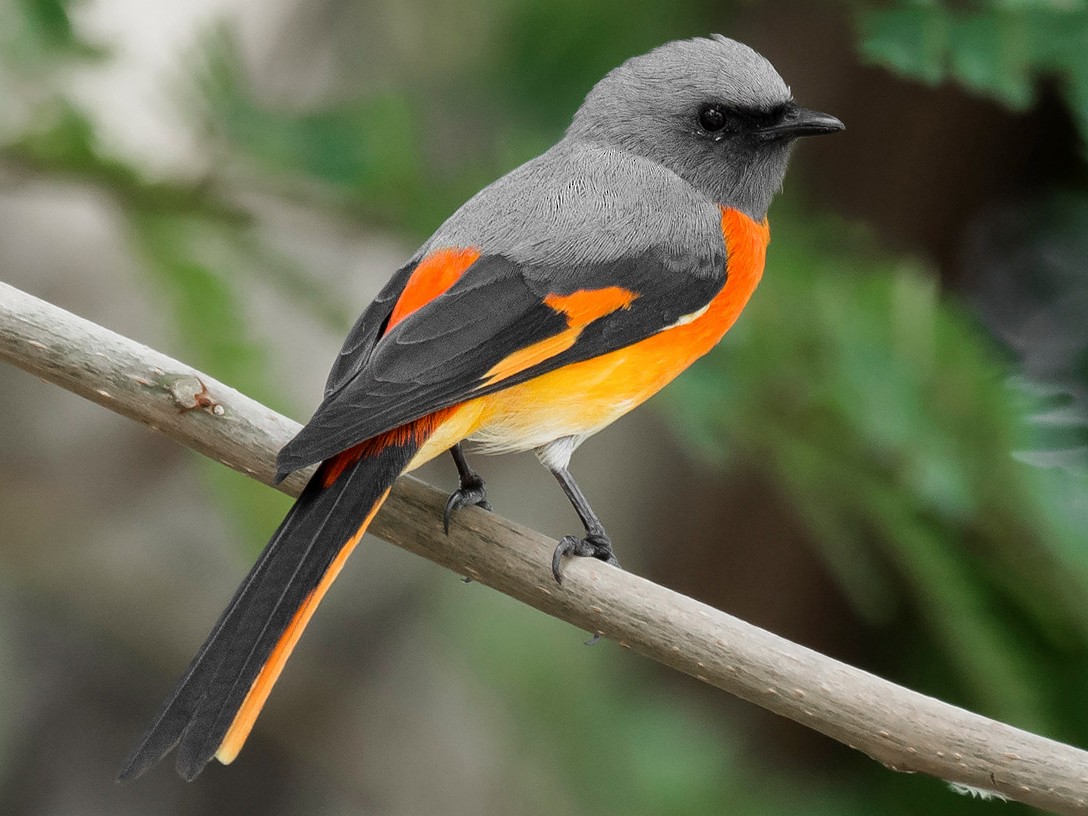
Small Minivet
Habitat: Tree canopy & woodland edge
Style: Active canopy forager
These colorful birds move quickly through foliage in small flocks searching for insects.
- Look for: Bright orange or yellow flashes among leaves
- Tip: Listen for soft calls and follow movement high in trees
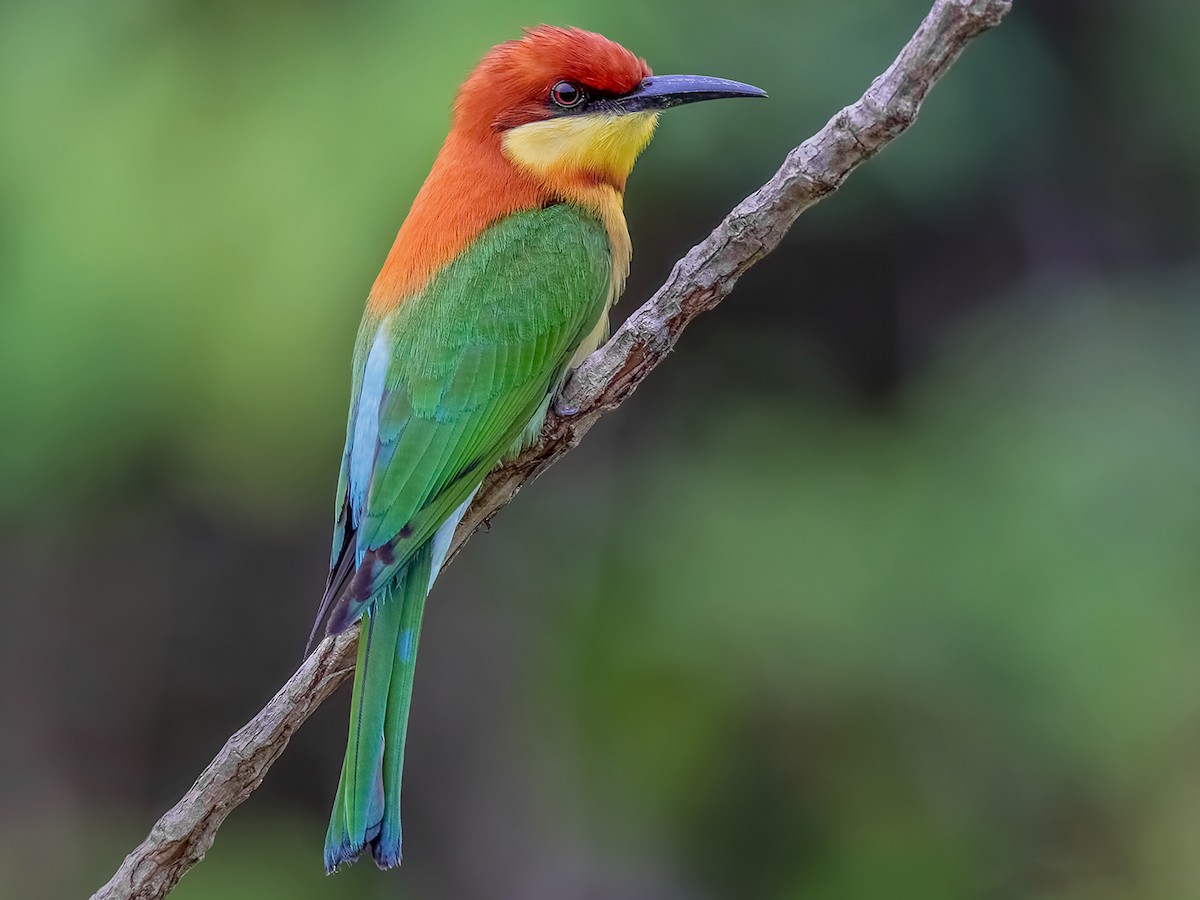
Chestnut-Headed Bee-eater
Habitat: Open scrub & lagoon edges
Style: Agile aerial hunter
Graceful flyers that catch insects mid-air. Often perch on exposed branches before darting out.
- Look for: Green body, chestnut head, long central tail feathers
- Tip: Scan wires and dead branches near open water
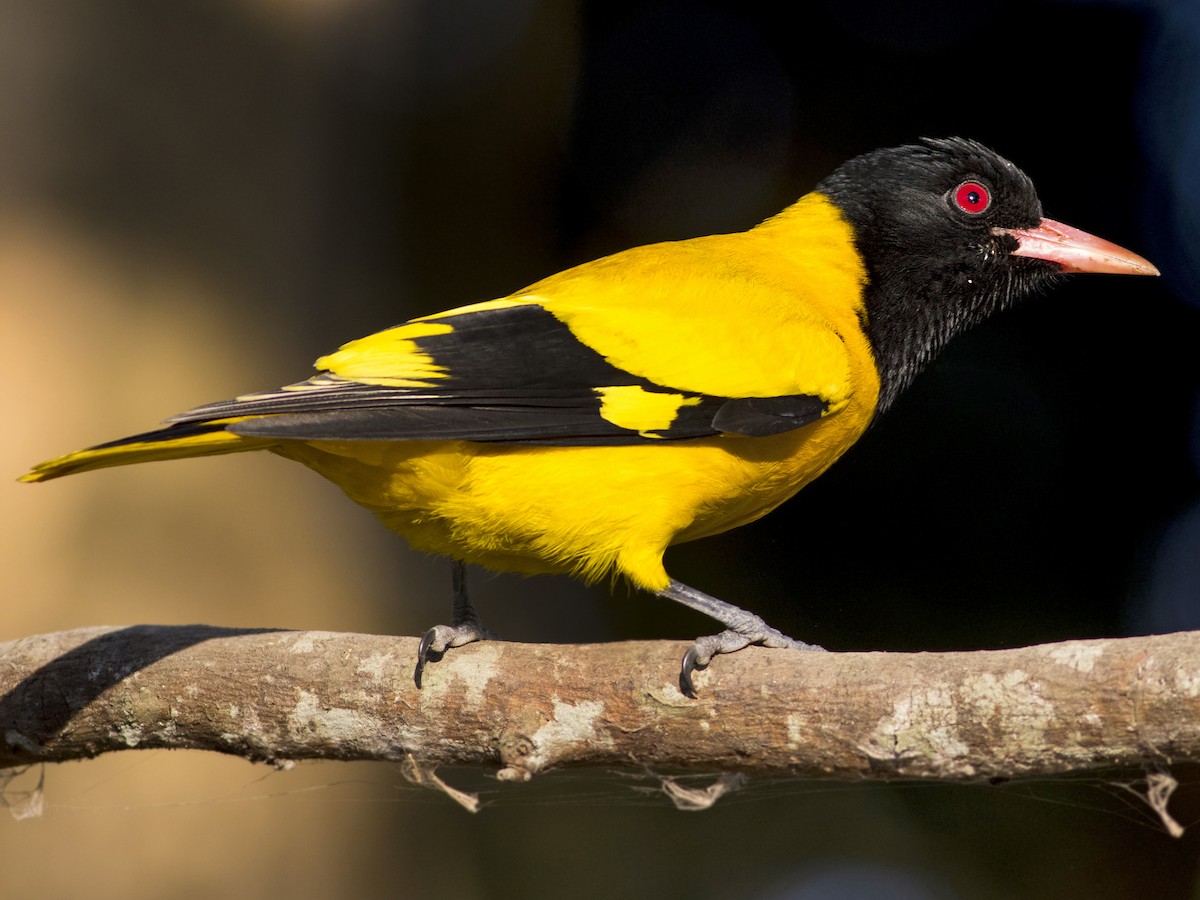
Black-Hooded Oriole
Habitat: Tall trees & fruiting groves
Style: Calm canopy feeder
Striking yellow birds known for their clear whistling song.
- Look for: Golden body with black hood and red bill
- Tip: Watch fruiting trees where they feed quietly
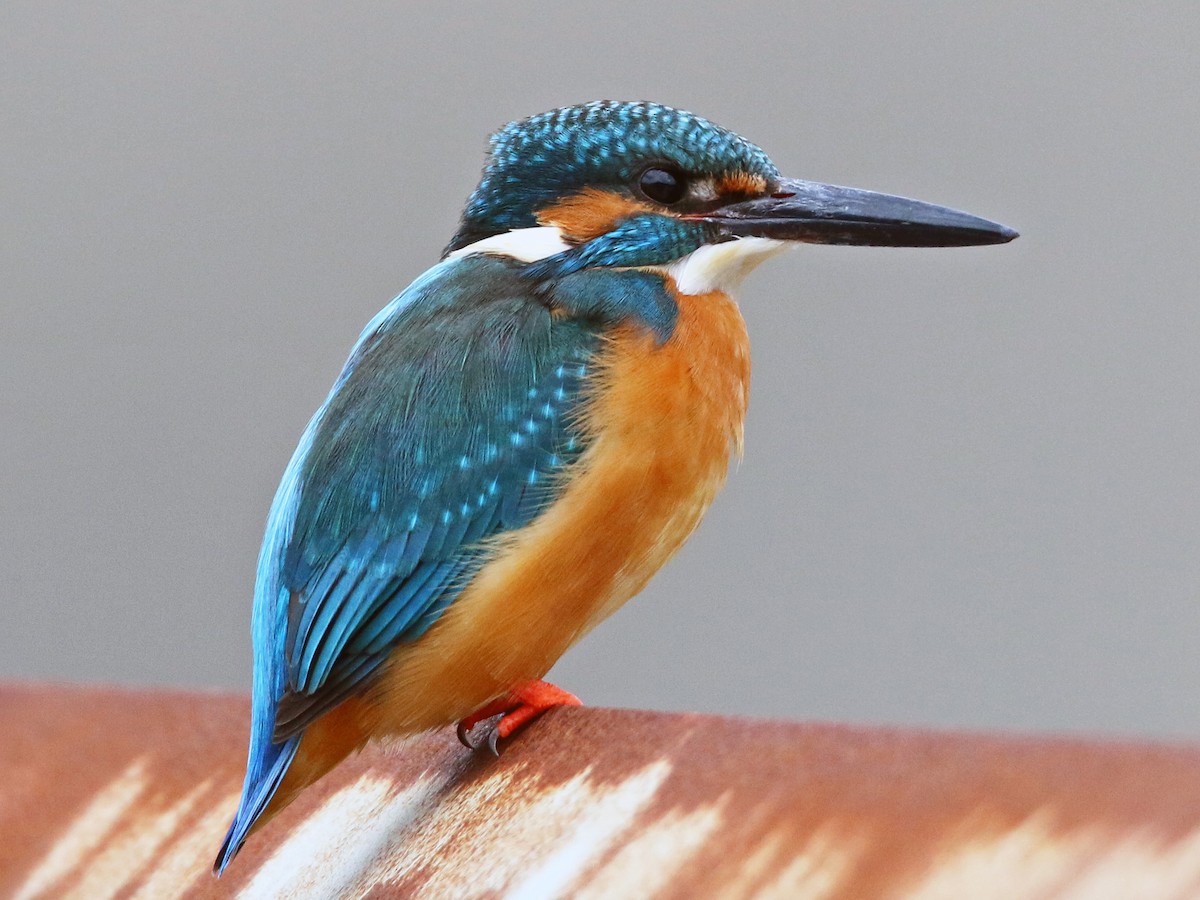
Common Kingfisher
Habitat: Still lagoon edges
Style: Lightning dive hunter
A brilliant flash of blue that darts low over water before plunging for fish.
- Look for: Electric blue streak skimming the surface
- Tip: Stay quiet near shaded banks
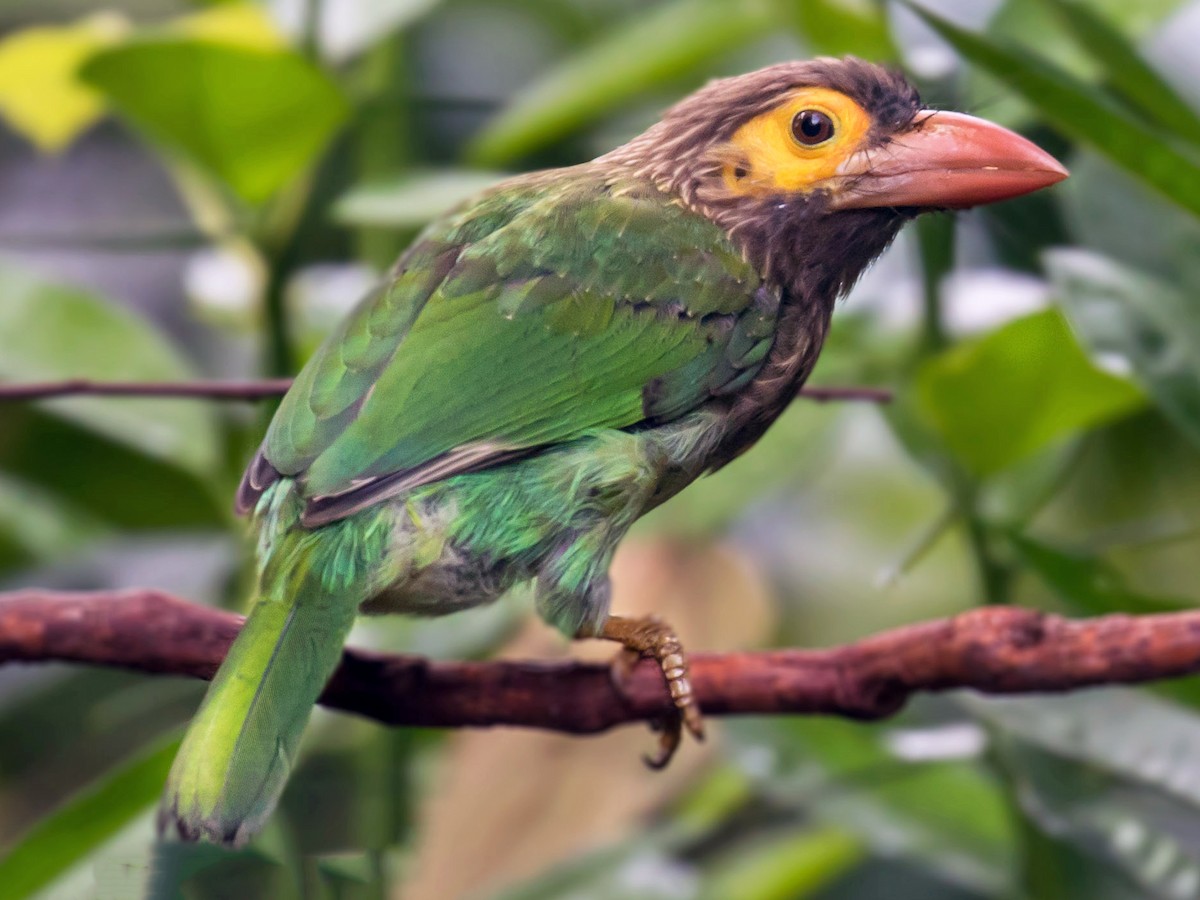
Brown-Headed Barbet
Habitat: Fruit trees & woodland
Style: Still fruit feeder
Often heard before seen, repeating a steady “tuk-tuk” call.
- Look for: Green body with brown head perched quietly
- Tip: Follow the call to locate it in the canopy
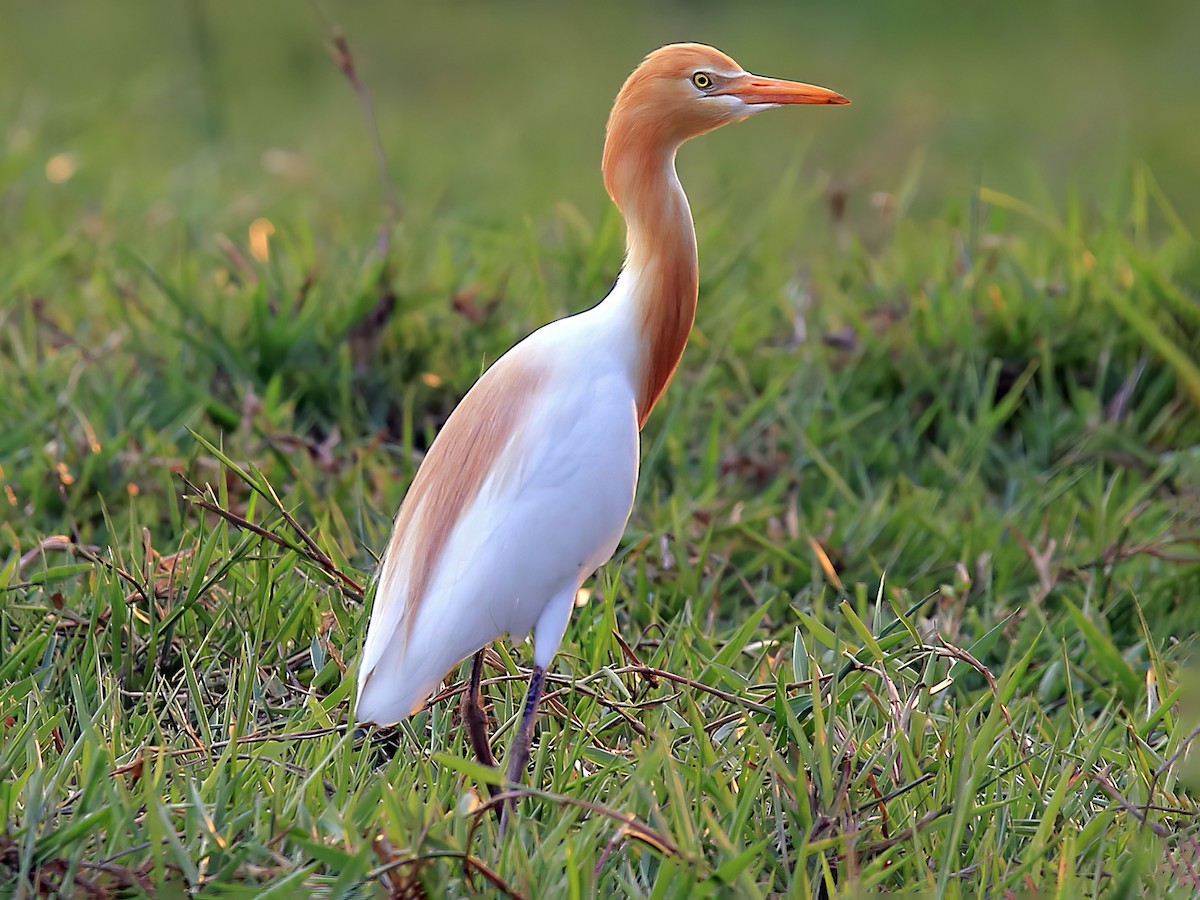
Cattle Egret
Habitat: Grasslands & grazing fields
Style: Ground stalker
Often seen walking beside cattle catching insects stirred from the grass.
- Look for: White bird following livestock
- Tip: Best after rain when insects are active
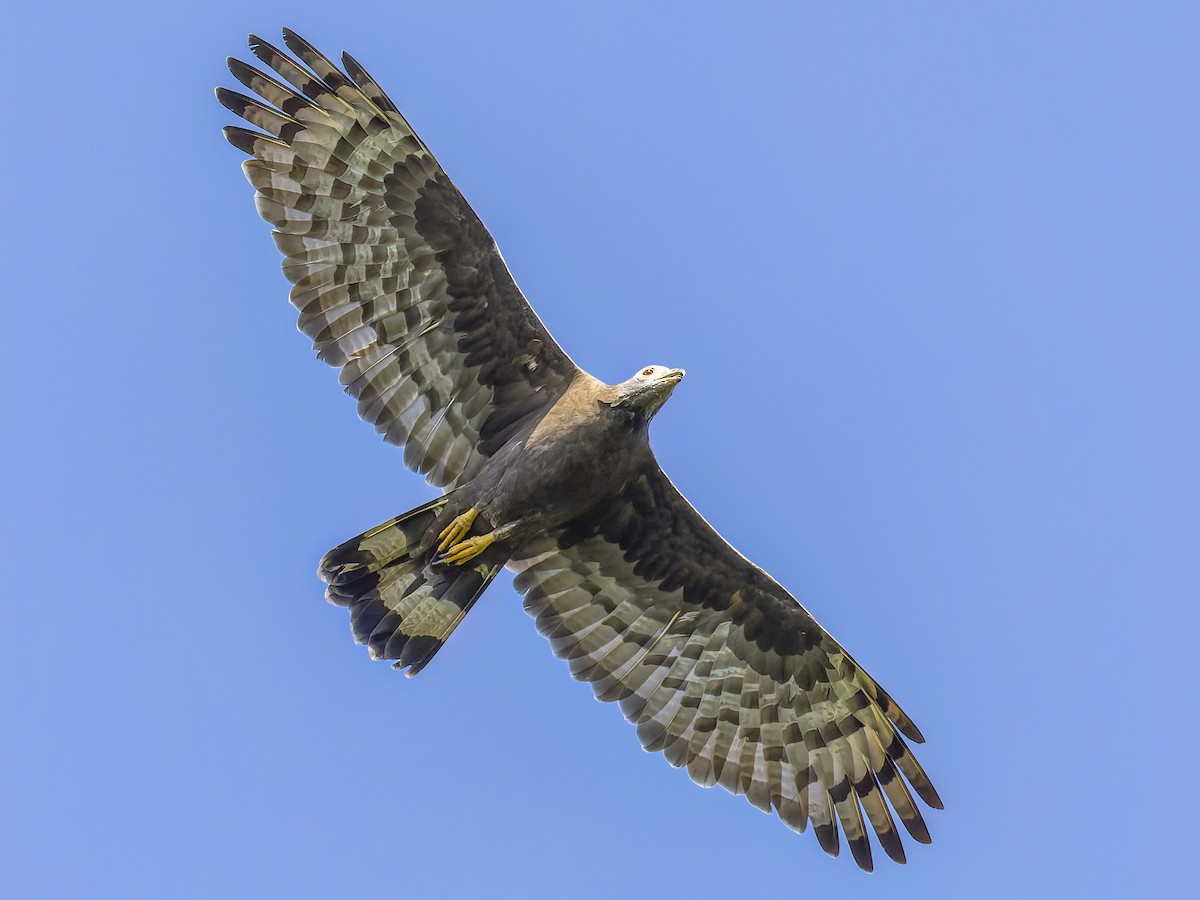
Oriental Honey Buzzard
Habitat: Sky above forest & scrub
Style: High soaring raptor
A slender raptor that rides thermals while searching for bee nests and larvae.
- Look for: Small head and long tail silhouette
- Tip: Scan high sky once air begins to warm
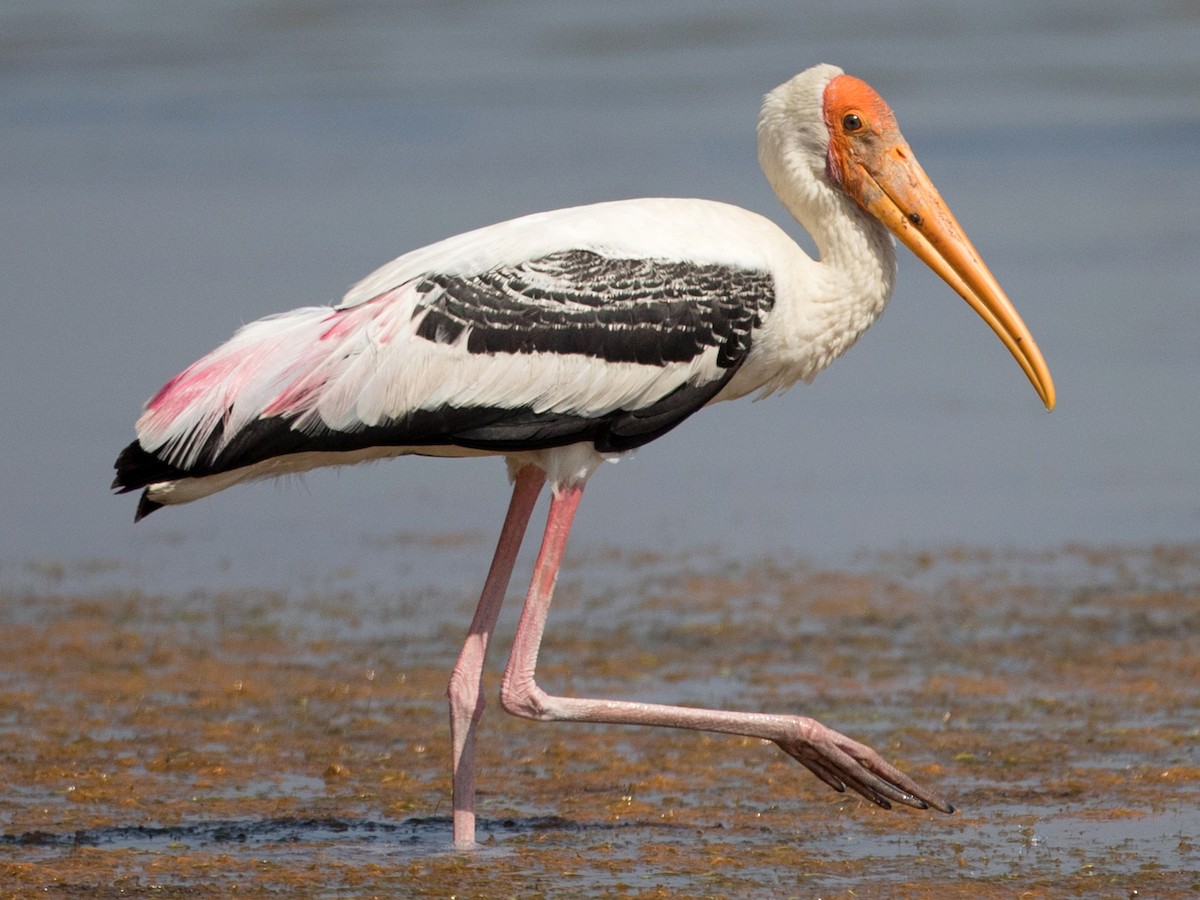
Painted Stork
Habitat: Shallow wetlands
Style: Slow wading feeder
Elegant waders that sweep their bills side-to-side in shallow water.
- Look for: Pink wing patches and long yellow bill
- Tip: Check shallow pools and mudflats
Habitats
Different micro-habitats can produce different sightings. Move slowly, scan patiently, and let the scene come to you.
Lagoon edges
Where calmer water meets vegetation—often good for perching birds and quick feeding activity.
What to look for: Perches over water, small splashes, low flights along the bank.
Photography tip: Use soft light and watch reflections; keep shutter ready for sudden dives.
Mangroves
Dense roots and canopy pockets can shelter birds from wind and heat, especially in quieter moments.
What to look for: Movement in shade, calls from canopy, birds crossing gaps.
Photography tip: Expose for faces/eye highlights; consider slightly higher ISO in shade.
Mudflats / shallows
Wide feeding zones for waders—activity changes with water level and disturbance.
What to look for: Slow foraging lines, probing bills, mixed-species gatherings.
Photography tip: Stay low and steady; use longer focal length to keep respectful distance.
Scrub / tree patches
Edges and fruiting trees can attract colorful passerines and insect hunters.
What to look for: Quick canopy hops, aerial insect chases, brief perches.
Photography tip: Follow the sound, pre-focus on a perch, and shoot short bursts.
Best Times & What to Bring
Light and activity can shift throughout the day. Choose a time that fits your pace—sunrise calm, morning clarity, or late-afternoon glow.
Sunrise
Calm air and softer light can make movement easier to notice around reedbeds and lagoon edges. A gentle start is also great for listening to calls.
Morning
As light strengthens, you can scan scrub, treelines, and open water comfortably. This time often gives a good balance of visibility and walking comfort.
Late afternoon
Warm tones and long shadows can add color and texture nice for photography. As temperatures ease, some movement may pick up again.
Our Eco-Promise
Kalametiya Sanctuary is protected. Responsible tourism helps sustain wildlife habitats while supporting local communities through conservation-friendly livelihoods.
🤫 Silent Observation
We keep noise low and movement gentle to avoid disturbance.
🦢 Respectful Distance
Wildlife-first viewing—no chasing, crowding, or baiting.
♻️ Leave No Trace
Zero litter approach everything leaves with us.
Location & Access
Kalametiya Sanctuary is accessible by road and ideal for visitors seeking quiet nature.
We recommend arriving early for the best conditions.
- Best arrival window: sunrise to early morning
- Bring water, hat, and sunscreen
- Wear neutral colors (avoid bright clothing)
Ready to explore Kalametiya?
Book a calm, low-disturbance birdwatching experience with a focus on ethics and comfort.
We adjust routes and pace to match conditions so every visit feels natural and unhurried.